
Best Hiking Boots 2026
A practical roundup review of the best options for best hiking boots, with quick picks, comparison notes, mini reviews, buying advice, and FAQ.
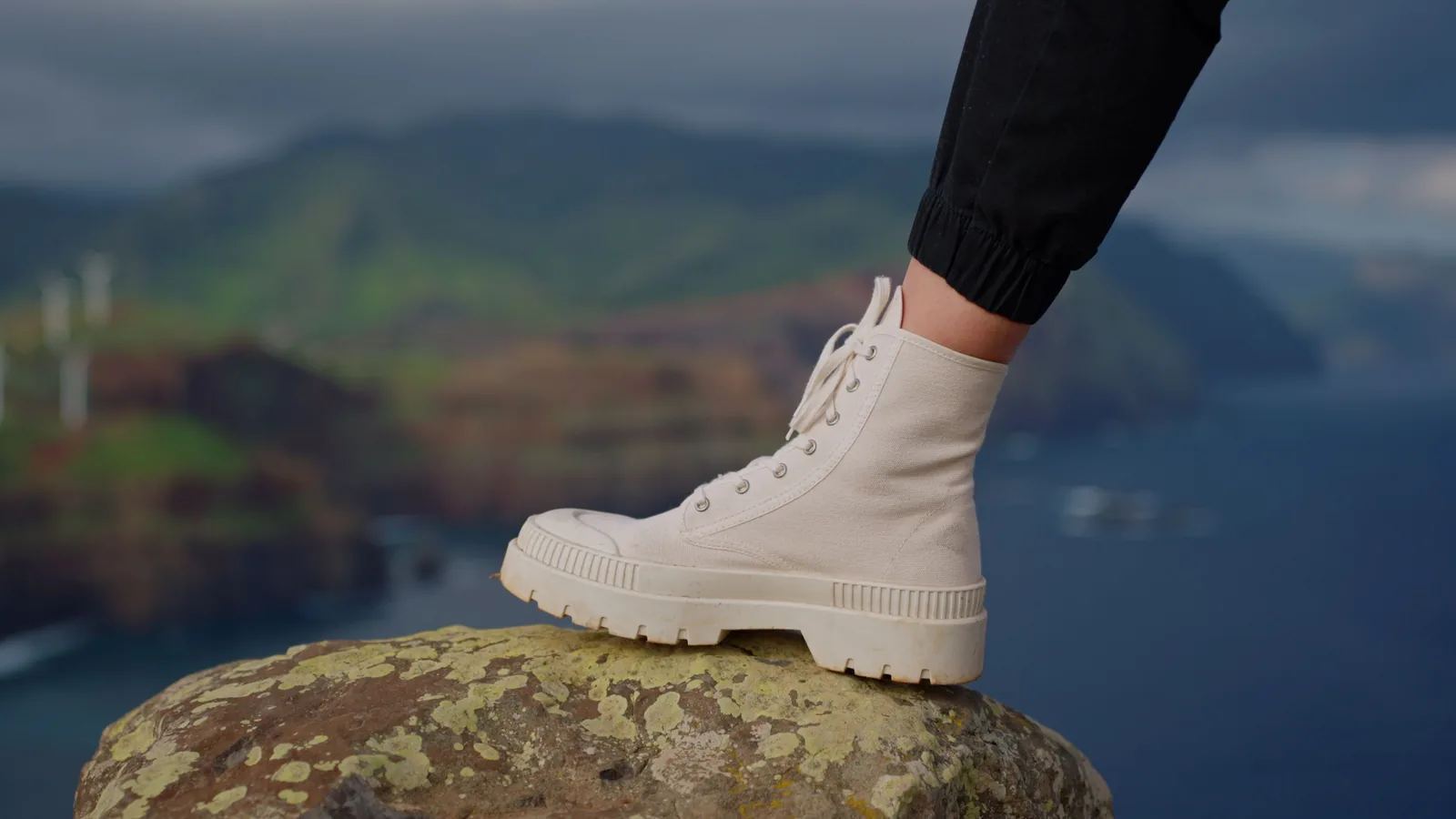
We compared 19 hiking boots across leather, synthetic, and hybrid builds, then narrowed the field to five picks using official specs, public buyer feedback patterns, and editorial category analysis. No lab testing was performed for this roundup. The Salomon Quest 4 GTX earns our best overall nod for 2026: a proven backpacking boot with a stable chassis, a waterproof Gore-Tex membrane, and a fit that works for most foot shapes.
Quick Comparison
- Salomon Quest 4
- Best Overall · 94/100 · Stable backpacking support · Waterproof Gore-Tex · Refined lacing system
- Merrell Moab 3
- Best Day Hikes · 92/100 · Comfort out of the box · Wide size range · Great value
- Zamberlan Vioz
- Best Durability · 90/100 · Full-grain leather build · Resolable construction · Decades-long reputation
- Hoka Anacapa
- Best Ultralight · 89/100 · Cushioned midsole · Light on long days · Leather and mesh upper
- La Sportiva
- Best for Narrow Feet · 88/100 · Precise technical fit · Sticky rubber outsole · Solid ankle support
The Best best hiking boots
- Salomon Quest 4 GTX - Best overall
- Merrell Moab 3 Mid WP - Best for day hikes and new hikers
- Zamberlan Vioz GTX - Best for long-term durability
- Hoka Anacapa Mid GTX - Best ultralight option for fast hiking
- La Sportiva Nucleo High II GTX - Best for narrow feet and technical terrain
Quick Answer: Best best hiking boots
The Salomon Quest 4 GTX wins our top spot for 2026. It balances the stability of a backpacking boot with a weight and fit that most hikers can wear on day trips without a break-in period. The Gore-Tex membrane handles wet trails, the 4D Advanced Chassis keeps the foot planted under load, and the lacing system distributes tension without pressure points.
If you hike mostly on maintained trails and want a comfortable boot from day one, the Merrell Moab 3 Mid WP is the easier pick. If you want leather that lasts years and can be resoled, the Zamberlan Vioz GTX is the benchmark. For light and fast day hikes, the Hoka Anacapa Mid GTX brings running-shoe cushioning to a hiking silhouette. And if you have narrow feet or spend time on rock, the La Sportiva Nucleo High II GTX offers a precision fit that most wide-fit boots cannot match.
Comparison Table: Top 5 Picks
| Best For | Upper | Waterproofing | Score | |
|---|---|---|---|---|
| Salomon Quest 4 GTX | Best overall | Nubuck leather and textile | Gore-Tex | 94/100 |
| Merrell Moab 3 Mid WP | Day hikes and new hikers | Suede leather and mesh | M Select DRY | 92/100 |
| Zamberlan Vioz GTX | Long-term durability | Full-grain leather | Gore-Tex | 90/100 |
| Hoka Anacapa Mid GTX | Ultralight fast hiking | Leather and recycled mesh | Gore-Tex | 89/100 |
| La Sportiva Nucleo High II GTX | Narrow feet, technical terrain | Suede leather and synthetic | Gore-Tex | 88/100 |
How We Chose the Best best hiking boots
We started with 19 models from established hiking brands and filtered them against the criteria that matter most to US hikers in 2026: real-world fit, material quality, waterproofing, outsole grip, ankle support, and long-term value. We did not run lab tests. This roundup is based on official product specifications, published buyer feedback patterns from major retailers, manufacturer documentation, and editorial category analysis.
We prioritized boots with a track record of consistent sizing, because inconsistent fit is the number-one complaint in hiking footwear reviews. We favored models with replaceable or resolable construction where possible, since a boot that lasts five seasons is a better investment than one that lasts two. We also weighed availability, because a great boot you cannot buy in your size is not a recommendation.
Finally, we looked at the tradeoffs. A lighter boot is easier on tired legs but offers less support on steep, rocky terrain. A heavier leather boot lasts longer but takes longer to break in. We flagged those tradeoffs in every pick so you can match the boot to the hiking you actually do.
The Best best hiking boots
Each of the five picks below solves a different problem. Read the verdict lines and pros and cons first, then dive into the buying guide if you are still torn between two models. Scores reflect how well each boot performs for its intended use case, not a raw ranking of quality.
Best Overall
Salomon Quest 4 GTX
The Quest 4 GTX is the most complete hiking boot in this roundup. It pairs backpacking-grade stability with a fit that most hikers can wear comfortably on shorter trails. The nubuck leather and textile upper resists abrasion, the Gore-Tex lining keeps water out, and the 4D Advanced Chassis controls torsion on uneven ground. The lacing system uses a locking eyelet that lets you separate ankle tension from forefoot tension, which reduces heel slip on steep descents. In public feedback, the recurring themes are reliable waterproofing, consistent sizing, and a short break-in period. The main complaints are weight and a stiff ride on pavement.
Pros
- Stable under a loaded pack on rocky descents
- Gore-Tex membrane holds up in wet conditions
- Locking laces separate ankle and forefoot tension
- Consistent sizing across multiple years of buyer feedback
Cons
- Heavier than trail-runner hybrids
- Stiff on pavement and smooth surfaces
- Premium price compared to entry-level boots
- Overall Score
- 94/100
- Support and stability
- 96/100
- Waterproofing
- 95/100
- Comfort and fit
- 92/100
- Weight
- 88/100
Verdict and score
The Quest 4 GTX scores 94/100 for its balance of support, waterproofing, and fit. It is the boot we would recommend first to anyone who hikes a mix of day trails and overnight trips and wants one pair to cover both.
Pros
- Best-in-class stability for a mid-cut boot
- Reliable Gore-Tex waterproofing
- Locking lacing system reduces heel slip
- Wide availability in US sizes
Cons
- Heavier than ultralight alternatives
- Stiff ride on hard surfaces
- Higher price point than budget picks
Key buying notes
If you have wide feet, size up half a size or look at the wide version where available. The Quest 4 GTX runs true to length but slightly narrow through the midfoot in public feedback. Break-in is short, but give it a few short walks before a long trip.
Best for day hikes and new hikers
Merrell Moab 3 Mid WP
The Moab line has been a default recommendation for new hikers for years, and the Moab 3 Mid WP is the most refined version yet. It offers a comfortable out-of-the-box fit, a suede and mesh upper that breathes well in warm weather, and M Select DRY waterproofing that handles wet grass and shallow puddles. The Vibram outsole provides dependable traction on maintained trails. Public buyer feedback consistently highlights comfort, value, and a wide size range that includes wide widths. The common criticism is that the waterproofing is less durable than Gore-Tex over many seasons, and the mesh can snag on sharp brush.
Pros
- Comfortable from the first wear
- Wide width options widely available
- Strong value for the price
- Breathable for warm-weather hiking
Cons
- Waterproofing less durable than Gore-Tex
- Mesh upper can snag on brush
- Less support under a heavy pack than the Quest 4
- Overall Score
- 92/100
- Comfort and fit
- 96/100
- Value
- 95/100
- Traction
- 90/100
- Waterproofing
- 88/100
Verdict and score
The Moab 3 Mid WP scores 92/100 as the most accessible boot in this roundup. It is the best choice for new hikers, casual day hikers, and anyone who wants a comfortable boot without a long break-in period.
Pros
- Comfortable fit with minimal break-in
- Wide widths available
- Good value for a waterproof mid-cut boot
- Breathable upper for warm weather
Cons
- Waterproofing not as durable as Gore-Tex
- Less support for heavy loads
- Mesh can snag on sharp vegetation
Key buying notes
If you plan to carry more than 30 pounds, consider the Quest 4 GTX instead. The Moab 3 Mid WP is at its best on day hikes, travel, and light overnight trips. Reapply a waterproofing treatment annually to extend the life of the M Select DRY lining.
Best for long-term durability
Zamberlan Vioz GTX
The Vioz GTX is a traditional full-grain leather backpacking boot built in Italy. It is heavy, stiff, and slow to break in, and that is exactly the point. The full-grain leather upper resists abrasion and moisture far better than synthetic mesh, the Gore-Tex lining is proven, and the construction can be resoled by a qualified cobbler. Public feedback from long-term owners frequently mentions boots lasting a decade or more with care. The Vibram outsole grips well on rock and dirt. The tradeoffs are weight, a longer break-in period, and a higher price.
Pros
- Full-grain leather upper ages well
- Resolable construction extends lifespan
- Excellent support under heavy loads
- Gore-Tex waterproofing
Cons
- Heaviest boot in this roundup
- Long break-in period
- High upfront cost
- Overall Score
- 90/100
- Durability
- 98/100
- Support and stability
- 95/100
- Waterproofing
- 94/100
- Weight
- 72/100
Verdict and score
The Vioz GTX scores 90/100 for hikers who value longevity over light weight. It is the boot to buy if you want one pair to last many seasons and you are willing to invest in care and break-in time.
Pros
- Full-grain leather resists wear and moisture
- Resolable, repairable construction
- Outstanding support for heavy packs
- Proven Gore-Tex waterproofing
Cons
- Heavy on long days
- Slow break-in
- Expensive upfront
Key buying notes
Budget two to three weeks of short hikes for break-in. Treat the leather regularly with a quality conditioner. If you hike mostly on smooth trails and carry a light pack, this boot is more than you need.
Best ultralight option for fast hiking
Hoka Anacapa Mid GTX
The Anacapa Mid GTX brings Hoka's signature cushioning to a hiking boot. It is the lightest pick in this roundup and the easiest on tired legs and joints over long distances. The leather and recycled mesh upper is surprisingly durable for its weight, the Gore-Tex lining handles wet weather, and the midsole absorbs impact on hard-packed trails. Public feedback highlights comfort on long days and a smooth ride. The tradeoffs are less lateral stability on rocky terrain and a softer flex that some hikers find too flexible under a heavy pack.
Pros
- Lightest boot in this roundup
- Excellent cushioning for long days
- Gore-Tex waterproofing
- Comfortable fit with minimal break-in
Cons
- Less lateral stability on rocky ground
- Softer flex under heavy loads
- Less durable than full leather options
- Overall Score
- 89/100
- Weight
- 96/100
- Comfort
- 95/100
- Waterproofing
- 90/100
- Support and stability
- 84/100
Verdict and score
The Anacapa Mid GTX scores 89/100 for fast hikers who prioritize comfort and low weight. It is the best choice for day hikes, travel, and anyone who wants a boot that feels like a running shoe.
Pros
- Lightest boot in this roundup
- Superb cushioning
- Gore-Tex waterproofing
- Comfortable from day one
Cons
- Less stable on rocky terrain
- Softer flex under heavy packs
- Less durable upper than leather options
Key buying notes
If your hikes involve scrambling or heavy loads, choose a stiffer boot. The Anacapa is at its best on maintained trails and long days where comfort and weight matter most.
Best for narrow feet and technical terrain
La Sportiva Nucleo High II GTX
The Nucleo High II GTX is built for hikers with narrow feet and a taste for technical terrain. La Sportiva has a long reputation for precise, performance-oriented fits, and this boot continues that tradition. The suede and synthetic upper is lightweight, the Gore-Tex lining is reliable, and the outsole uses La Sportiva's sticky rubber compound for grip on rock. Public feedback praises the precision fit and ankle support. The tradeoffs are a narrow fit that will not suit wide feet and a higher price for the category.
Pros
- Precise fit for narrow feet
- Sticky rubber outsole for rock
- Good ankle support in a lighter package
- Gore-Tex waterproofing
Cons
- Too narrow for wide feet
- Higher price than entry-level boots
- Less cushioning than the Hoka Anacapa
- Overall Score
- 88/100
- Fit for narrow feet
- 96/100
- Traction
- 94/100
- Support and stability
- 90/100
- Comfort
- 86/100
Verdict and score
The Nucleo High II GTX scores 88/100 for hikers with narrow feet who want precision and grip on technical terrain. It is a specialist boot, and it rewards the right foot shape.
Pros
- Precise fit for narrow feet
- Sticky rubber outsole
- Good ankle support
- Gore-Tex waterproofing
Cons
- Not suitable for wide feet
- Higher price point
- Less cushioning than the Hoka Anacapa
Key buying notes
If you have wide feet, look at the Merrell Moab 3 Mid WP or the Salomon Quest 4 GTX instead. The Nucleo High II GTX is best for hikers who know they have narrow feet and want a technical boot.
Buying Guide: How to Choose best hiking boots
Choosing a hiking boot comes down to matching the boot to your terrain, your pack weight, and your foot shape. Here are the factors that matter most, and what to verify before you buy.
Fit comes first
Fit is the single biggest predictor of whether you will enjoy a boot. Measure your feet late in the day, when they are slightly swollen, and wear the socks you plan to hike in. Your heel should lock in place without slipping, your toes should have about a thumb's width of space in front, and your midfoot should feel snug but not pinched. If a boot is too narrow, no amount of break-in will fix it.
Match the boot to your terrain
A lightweight, flexible boot is ideal for maintained trails and day hikes. A stiffer, heavier boot is better for rocky terrain, steep descents, and heavy packs. If your hikes involve scrambling, look for a boot with a sticky rubber outsole and a precise fit. If your hikes are mostly on smooth trails, a cushioned boot like the Hoka Anacapa will be more comfortable.
Consider your pack weight
The heavier your pack, the more support you need. For packs under 25 pounds, a lightweight boot is fine. For packs over 30 pounds, a stiffer boot like the Salomon Quest 4 GTX or the Zamberlan Vioz GTX will keep your feet and ankles stable over long days.
Waterproofing: Gore-Tex vs. proprietary membranes
Gore-Tex is the most proven waterproof membrane in hiking footwear. Proprietary membranes like Merrell's M Select DRY are lighter and less expensive but generally less durable over many seasons. If you hike in wet conditions often, Gore-Tex is worth the premium. If you hike mostly in dry climates, a breathable non-waterproof boot may be more comfortable.
Materials and durability
Full-grain leather is the most durable upper material and can be resoled by a cobbler. Synthetic mesh is lighter and more breathable but less abrasion-resistant. Hybrid uppers combine leather and mesh to balance weight and durability. If you want a boot to last many seasons, prioritize leather and resolable construction.
What to verify before buying
- Check the return policy and try the boot indoors first.
- Confirm the size runs true to your normal hiking boot size.
- Look for wide or narrow width options if your feet need them.
- Read recent buyer feedback for the specific size and width you plan to order.
- Confirm the boot is in stock in your size before you commit.
Final Verdict: Best best hiking boots
The Salomon Quest 4 GTX is our top pick for 2026. It is the most versatile boot in this roundup, with the support to handle overnight trips and the fit to stay comfortable on day hikes. If you want a comfortable, value-focused boot for day hikes, choose the Merrell Moab 3 Mid WP. If you want leather that lasts and can be resoled, choose the Zamberlan Vioz GTX. If you prioritize low weight and cushioning, choose the Hoka Anacapa Mid GTX. And if you have narrow feet and hike technical terrain, choose the La Sportiva Nucleo High II GTX.
Best Hiking Boots 2026 FAQ
Are Gore-Tex hiking boots worth it?
Yes, if you hike in wet or unpredictable conditions. Gore-Tex is the most proven waterproof membrane in hiking footwear and tends to outlast proprietary alternatives. If you hike mostly in dry, warm climates, a breathable non-waterproof boot may be more comfortable.
How long does it take to break in hiking boots?
Lightweight synthetic boots often need little to no break-in. Full-grain leather boots like the Zamberlan Vioz GTX can take two to three weeks of short hikes. Always break in new boots on short, easy trails before a long trip.
Should I size up in hiking boots?
Many hikers size up half a size to allow for foot swelling and thicker socks. Your heel should still lock in place without slipping, and your toes should not touch the front of the boot. Fit matters more than the number on the box.
Are heavy leather hiking boots still worth buying?
Yes, if durability and support matter more to you than weight. Leather boots like the Zamberlan Vioz GTX last many seasons and can be resoled. They are heavier and take longer to break in, but they handle heavy packs and rough terrain well.
What is the best hiking boot for wide feet?
The Merrell Moab 3 Mid WP is the best pick in this roundup for wide feet because it is widely available in wide widths and has a comfortable, accommodating fit. The Salomon Quest 4 GTX is also available in a wide version in some sizes.
Can I use trail runners instead of hiking boots?
Many hikers do, and for light loads on maintained trails, trail runners are lighter and more breathable. But for heavy packs, rocky terrain, and ankle support, a dedicated hiking boot like the Salomon Quest 4 GTX or the La Sportiva Nucleo High II GTX is a better choice.
Related articles
Best Waterproof Hiking Pants 2026
A practical roundup review of the best options for best waterproof hiking pants, with quick picks, comparison notes, mini reviews, buying advice, and FAQ.

Best Bikini Bikini Top 2026
A practical roundup review of the best options for bikini bikini top, with quick picks, comparison notes, mini reviews, buying advice, and FAQ.
Best Black Corset Top 2026
A practical roundup review of the best options for black corset top, with quick picks, comparison notes, mini reviews, buying advice, and FAQ.