
Ekster Cardholder Review 2026: Is It Worth It?
A practical Ekster Cardholder review covering verdict, pros and cons, scoring criteria, evidence, buyer fit, and final recommendation.
How affiliate links work on Bespoke Shoppers and how they affect our editorial content. Affiliate disclosure
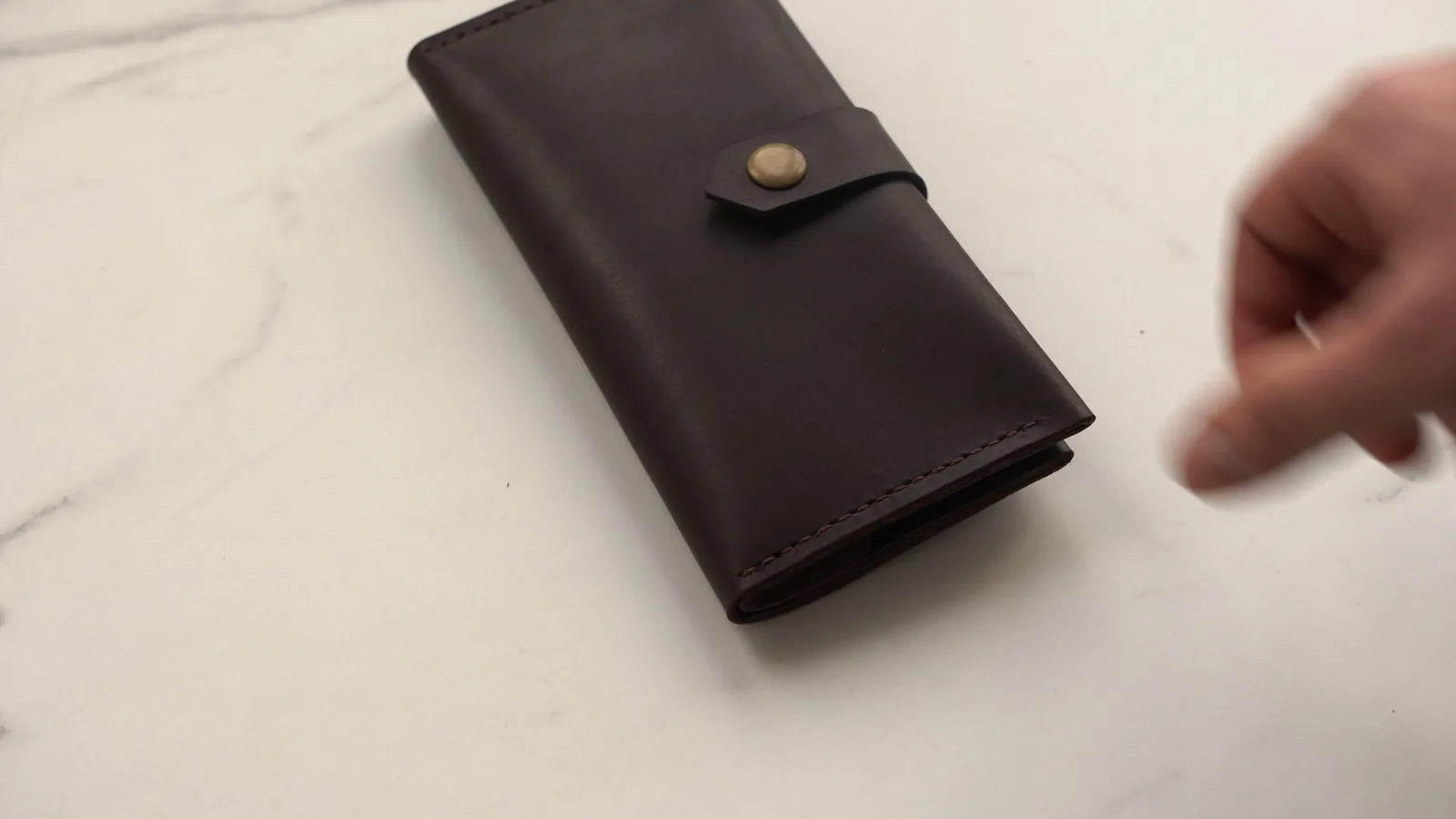
The Ekster Cardholder is a slim, aluminum-backed card carrier built around a spring-loaded ejection mechanism that fans your cards out at the press of a button. For anyone who has downsized to a phone-and-cards carry, it solves the two most common frustrations of slim wallets: digging for the card you need and worrying about RFID skimming.
The tradeoff is capacity and cost. This is a front-pocket wallet with a deliberate ceiling on how much it holds, and the modular add-ons that make it flexible are sold separately. If you still carry cash, receipts, and a stack of loyalty cards, this is not the wallet that will convert you.
Quick Summary for Skimmers
The Ekster Cardholder earns its reputation as one of the better-executed quick-access wallets on the market. The ejection mechanism is the headline feature and, based on sustained public feedback, it is the part buyers either love immediately or find fussy. Build quality skews premium for the category, RFID-blocking is built into the core product rather than sold as an upgrade, and the modular ecosystem lets you add a tracker or cash strap later. The honest caveats: capacity is intentionally limited, add-ons raise the real-world cost, and the tracker slot is for a separately purchased tracking card — not built-in GPS. Buy it if you want a slim, tactile, front-pocket wallet and you are willing to commit to carrying fewer cards. Skip it if you need a traditional bifold's storage or you prefer a wallet with no moving parts.
Pros
- Fast one-press card access
- Genuine RFID-blocking construction
- Slim, premium aluminum build
- Modular add-on ecosystem
Cons
- Limited card capacity by design
- Add-ons sold separately
- No built-in GPS tracking
- Mechanism adds a learning curve
- Overall Score
- 84/100
- Everyday Routine Fit
- 88/100
- Materials & Build
- 86/100
- Ease of Use
- 82/100
- Wear & Finish
- 84/100
- Portability
- 90/100
- Value for Money
- 78/100
Ekster Cardholder Review: Short Introduction
The Ekster Cardholder is the flagship product from Ekster, a brand that built its name on slim, tech-forward wallets aimed at people who have already moved most of their daily carry onto their phone. The cardholder's pitch is simple: a hard-shell aluminum body, a spring-loaded mechanism that ejects your cards in a staggered fan, and RFID-blocking material built into the construction. It sits at the intersection of two trends — the move toward minimalist carry and the growing demand for wallets that address card-skimming concerns without looking like a gadget.
What matters in 2026 is that the slim-wallet category has matured. There are now dozens of competitors, from leather card sleeves to magnetic wallet attachments that stick to the back of a phone. Against that backdrop, the Ekster Cardholder's differentiators are the ejection mechanism and the modular add-on system: you can start with the core cardholder and later add a cash strap, a tracker card, or a combination accessory. That flexibility is genuinely useful, but it also means the advertised experience and the out-of-pocket experience can diverge. This review focuses only on the cardholder itself, not the broader Ekster range, and it is based on product research, official product information, and patterns in public customer feedback rather than hands-on testing. Where the brief or source material does not confirm a detail — exact capacity across variants, current pricing, or the specifics of add-on bundles — we say so instead of guessing.
Ekster Cardholder Review 2026: Is It Worth It?
Shop the Ekster CardholderEkster Cardholder Personalisation and Routine Fit
"Personalisation" in the Ekster context is less about engraving and more about configuration. The core cardholder is designed to be adapted: you can carry it bare, add a cash strap for folded bills, or slide in a tracker card to pair with a phone-based finding app. That modularity is the real personalisation story, and it is what separates the cardholder from a fixed leather sleeve. The question that matters for shoppers is whether that flexibility matches how you actually move through a day.
For a typical front-pocket carry — a phone, a few cards, maybe a transit pass — the cardholder fits naturally. The ejection mechanism is built precisely for the moment when you are at a register or a turnstile and do not want to thumb through a stack of cards. Based on public feedback patterns, that is the scenario where the product earns its keep, and it is the scenario that people who dislike the wallet most often cite: they wanted a general-purpose wallet and got a specialized tool. Routine fit is therefore strong for the "phone plus essentials" carrier and weaker for anyone who still processes cash, collects paper receipts, or rotates through a deep bench of cards. If your routine involves a desk drawer of unused cards and a wallet that doubles as a receipt holder, this is a deliberate downgrade rather than a drop-in replacement.
Category Score: 88/100
Ekster Cardholder Formula and Ingredient Quality
For a non-consumable product, the equivalent of "formula and ingredient quality" is material specification and construction. The official page for the Ekster Cardholder describes a hard-shell design with an aluminum component, a card-ejection mechanism, and RFID-blocking protection. Those are the three load-bearing claims in the product, and each deserves scrutiny rather than marketing acceptance.
The aluminum body gives the wallet its structure and its premium feel; it also resists the sagging and stretching that soft leather sleeves develop over time. RFID-blocking construction, when it is genuinely integrated, addresses a real category concern — the risk of contactless card data being read without your knowledge — though it is worth being precise about what that protection does and does not cover. It is a physical barrier around the cards in the wallet, not a guarantee against every form of fraud or digital theft. The ejection mechanism is the component most likely to determine long-term satisfaction because it is mechanical; moving parts are where a wallet can either delight or annoy over years of use. Independent, long-term durability data on the mechanism specifically is limited, and if that is your top concern, it is worth reading recent buyer reviews on the official product page before committing. What the construction does clearly deliver is a wallet that feels more like a considered tool than a stitched accessory — which is exactly the intended positioning.
Category Score: 86/100
Ekster Cardholder Shade Matching and Ease of Use
The cardholder line includes multiple finishes, and "shade matching" here means choosing a finish that suits the way you carry and the things you carry it with. Darker finishes tend to read as professional and hide everyday scuffs and fingerprints better; lighter and more metallic finishes show wear sooner but have a more distinctive look. For a wallet that lives in a pocket against keys, coins, and a phone, finish choice is a practical decision as much as an aesthetic one.
Ease of use is where the Ekster Cardholder has its strongest opinions. The ejection mechanism is a one-handed, one-press operation, and that is a real ergonomic advantage over fanning cards manually. But it is a learned motion: new users sometimes need a few days to build the habit of pressing the release before pulling a card, and people who carry a mix of RFID cards, IDs, and paper items may find the ordering logic matters more than they expected. There is also the classic tradeoff of quick-access wallets — because the cards are held under tension, the mechanism rewards a consistent, moderate load. Overstuff it and the fanned cards can feel crowded; underfill it and the action can feel loose. The practical guidance is to treat the stated capacity as a ceiling and carry close to what the mechanism is designed for, not the maximum you can physically force in. On balance, the ease-of-use story is strong for the primary use case and merely adequate for edge cases.
Category Score: 82/100
Ekster Cardholder Texture, Finish, and Wear
Texture and finish are where the cardholder's price positioning has to justify itself. The aluminum shell gives a cool, smooth handfeel that most soft wallets cannot match, and the finish is designed to hold up better than the faux-leather sleeves that dominate the budget end of the category. In a pocket, that rigidity is an advantage: the wallet keeps its shape, cards stay aligned, and the mechanism stays consistent rather than loosening into mush.
Wear is the honest unknown. Metal-bodied wallets can develop visible scratching on lighter finishes, and the point where the shell meets the mechanism is where you would expect the first cosmetic fatigue. Public feedback suggests the product holds up reasonably well for a slim wallet, but buyer reviews are anecdotal and skew toward early impressions — they are not a multi-year durability study, and we are not going to pretend otherwise. What you can reasonably expect is that a hard-shell wallet ages differently from leather: it will not patina or soften, and it will not stretch to accommodate more cards, but it also will not sag or split at the seams. Whether that is "better" depends on whether you value a wallet that stays exactly as it was on day one or one that improves with use. For most cardholder buyers, the former is the point.
Category Score: 84/100
Ekster Cardholder Packaging and Portability
Portability is the cardholder's clearest strength. The hard-shell, slim form factor is built for a front pocket, and it takes up meaningfully less room than a classic bifold — which means it disappears into jeans, a jacket, or a small bag rather than creating the familiar seated-lean bulge. For commuters, travelers, and anyone who has already slimmed down their carry, that is the core benefit, and it is the benefit that holds up best under scrutiny. The cardholder is not just small by marketing standards; it is small by the standards of the category it competes in.
Packaging is a smaller but real part of the value story. Ekster positions itself as a gifting-friendly brand, and the cardholder arrives in retail-style packaging that supports that — it is a reasonable gift for the minimalist in your life, particularly if you know which finish they would choose. On portability, the only structural caveat is that the wallet is designed around cards, not around volume. It will not swallow a hotel key card, a folded boarding pass, and a stack of bills without strain. If your travel routine involves a passport, the cardholder is a companion piece rather than a replacement for a travel organizer. Used as intended, though, it delivers exactly the "forget it is in your pocket" experience the product promises.
Category Score: 90/100
Ekster Cardholder Value for Money
Value is the most contestable part of the Ekster Cardholder, and it is where shoppers should slow down. The core wallet competes at the upper end of the slim-wallet market, and the modular accessories — a cash strap, a tracker card, and combination options — are purchased separately. That does not make the product overpriced, but it does mean the headline price is not the full story if you intend to use the ecosystem. The right comparison is not "cardholder versus a cheap leather sleeve" but "cardholder plus the add-ons you actually want versus the closest all-in-one alternative."
The strongest value case is for a buyer who wants the quick-access mechanism and RFID protection in one slim package and will use those features daily. The weakest value case is for a buyer who mainly wants a small wallet; a simpler card sleeve does that job for less, just without the mechanism. A specific note on tracking: Ekster's tracker card is an optional accessory that pairs with a phone-based finding network, and availability of that feature depends on the accessory and network, not on the wallet itself. There is no GPS chip inside the cardholder. We also cannot state current pricing, promotions, or warranty and return terms here because those change and must be verified on the official page before purchase. Treat the score below as an editorial judgment about category positioning, not a price check.
Category Score: 78/100
Who Is Ekster Cardholder For?
The cardholder is a focused product, and matching it to the right buyer matters more than any single specification. The table below maps common shopper profiles to expected fit.
| What they need | Fit | Reasoning | |
|---|---|---|---|
| Minimalist front-pocket carrier | Slim wallet, fast access | Excellent | Built for phone-plus-cards carry with one-press ejection. |
| Card-skimming worrier | RFID protection | Strong | RFID-blocking construction is part of the core product, not an add-on. |
| Cash and receipt carrier | Storage for bills and paper | Weak | Card-first design; cash strap is a separate accessory with limited capacity. |
| Frequent flyer with passport | Travel organizer | Partial | Works as a companion wallet, not a passport-and-documents replacement. |
| Gift buyer for a minimalist | Presentation and finish choice | Strong | Retail-style packaging and multiple finishes suit gifting. |
| Buyer who wants built-in GPS | Lost-wallet tracking | Not a fit | Tracking is an optional accessory, not an intrinsic wallet feature. |
How We Reviewed Ekster Cardholder
This review is based on product research and category analysis, not hands-on testing. We worked from the official Ekster Cardholder product page for verified specifications — the aluminum and hard-shell construction, the card-ejection mechanism, RFID protection, and the modular add-on system — and we treated everything outside those confirmed facts as editorial judgment. We also looked at public customer feedback patterns to understand where satisfaction clusters: the ejection mechanism and slim profile draw consistent praise, while capacity limits and the cost of accessories are recurring points of friction. What public reviews cannot tell us is how the mechanism holds up over multiple years of daily use, so we have avoided durability claims beyond what the materials and construction reasonably imply. Where the brief did not confirm a detail — current pricing, capacity figures across variants, subscription terms, shipping, returns, or warranty specifics — we deliberately did not invent one. The numerical scores throughout are our own editorial assessments on a 0–100 scale. They are not measured test results, and they should be read as a structured opinion, not laboratory data.
Final Verdict on ekster wallet review
The Ekster Cardholder is one of the more convincing executions of the quick-access slim wallet idea, and for the right buyer it is a clear upgrade over a generic leather sleeve. The aluminum build feels considered, RFID protection is part of the core product rather than a paid add-on, and the ejection mechanism genuinely changes how you interact with your cards at a register or turnstile. It is best understood as a specialized tool for people who carry a phone and a small, stable set of cards — not a universal wallet replacement.
The reasons to hesitate are equally clear. Capacity is limited on purpose, the modular accessories that add flexibility also add cost, and there is no built-in tracking — a tracker card is a separate purchase that depends on a third-party finding network. Public feedback suggests most owners either adapt to the card-first format quickly or realize within a week that it is not for them. Given that, the sensible approach is to confirm current pricing, finish options, and accessory details on the official page, and to be honest with yourself about how many cards and bills you actually carry on an average day. If the answer is "a handful," this is a strong choice worth the spend. If the answer is "more than I want to count," look elsewhere.
Sources
- Official product information: Ekster Cardholder product page
- Editorial analysis and scoring: Bespoke Shoppers, based on product research and public customer feedback patterns. Scores are editorial judgments, not measured test results.
Ekster Cardholder Review 2026: Is It Worth It?
Shop the Ekster CardholderEkster Cardholder Review FAQ
Does the Ekster Cardholder have built-in GPS tracking?
No. The cardholder itself does not contain GPS. Tracking is available through an optional tracking card accessory that pairs with a phone-based finding network, and that accessory is sold separately. If you want to be able to locate a lost wallet, factor the tracker into your budget and check current accessory compatibility on the official product page.
How many cards does the Ekster Cardholder hold?
The official product page describes the capacity, and it can differ across cardholder variants and accessory configurations. Rather than quote a number that may not apply to your chosen version, treat the stated figure for your specific finish and add-on setup as the ceiling. Public feedback suggests carrying close to the intended load rather than forcing extra cards in, since overstuffing affects how the ejection mechanism fans them out.
Is the RFID protection real or marketing?
RFID-blocking material is part of the cardholder's construction according to the official product information, so the wallet provides a physical barrier around the cards inside it. It is best understood as one layer of protection against casual contactless scanning rather than a guarantee against all card fraud. It does not protect cards you carry outside the wallet.
Is the Ekster Cardholder worth it in 2026?
For a minimalist who wants quick card access and RFID protection in a slim aluminum wallet, yes — our editorial score of 84% reflects a well-made, category-leading design with clear tradeoffs. For someone who carries cash, receipts, or a large card rotation, the limited capacity makes it a poor fit regardless of build quality. Because pricing and promotions change, verify the current offer and any warranty or return terms directly on the official page before buying.
Does the cardholder come with a cash strap or tracker?
Those items are modular add-ons rather than guaranteed inclusions on every configuration, and bundle contents vary by listing. Check the specific product description and accessory options on the official page to confirm exactly what ships with the version you are considering.
Related articles
Double Oak wallet Review 2026: Is It Worth It?
A practical Double Oak wallet review covering verdict, pros and cons, scoring criteria, evidence, buyer fit, and final recommendation.

goodr sunglasses Review 2026: Is It Worth It?
A practical goodr sunglasses review covering verdict, pros and cons, scoring criteria, evidence, buyer fit, and final recommendation.

Jack Archer Jetsetter pants Review 2026: Is It Worth It?
A practical Jack Archer Jetsetter pants review covering verdict, pros and cons, scoring criteria, evidence, buyer fit, and final recommendation.