
10k Gold vs 14k Gold: Which Should You Choose?
A practical head-to-head comparison of 10k Gold and 14k Gold, covering quick verdict, key differences, category winners, buyer fit, and FAQ.
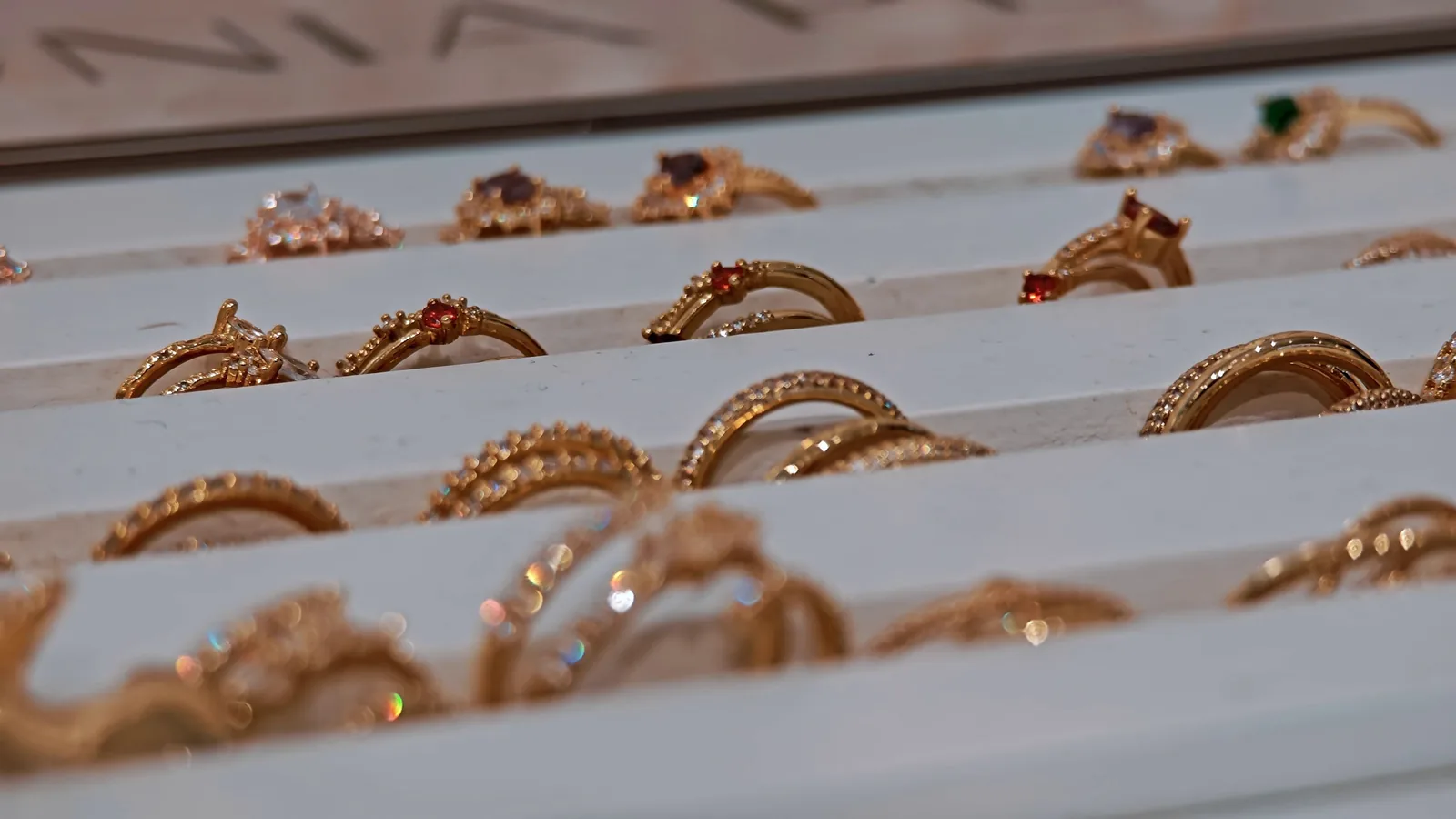
14k gold holds its color, resists dents and scratches better, and is the safer long-term pick for fine jewelry. Choose 10k gold when the price gap matters most and you accept a duller, more brassy tone.
This comparison is based on metal specs, alloy chemistry, published industry standards, and public buyer feedback patterns across fashion and fine jewelry. We did not run lab tests, so treat the numbers as accepted industry benchmarks rather than measured results.
The real trade-off is short and simple: karat is a percentage. Pure gold is 24k, so 14k is roughly 58.3% gold and 10k is roughly 41.7% gold. The rest is alloy metals that decide hardness, color, allergy risk, resale value, and how the piece ages on your skin.
| 10k Gold (82%) | 14k Gold (91%) | |
|---|---|---|
| Best fit | High-wear pieces and budget-conscious shoppers | Everyday fine jewelry and heirloom pieces |
| Strength | Hardest common gold, lowest price per gram | Richer color with solid durability and value |
| Trade-off | Paler, brassy tone and lower resale value | Softer than 10k and costs noticeably more |
Head-to-Head Scorecard
10k Gold leads
- Durability under daily wear
- Higher alloy content makes it the hardest common karat
- Upfront price
- Less gold per gram, so lower cost at any given weight
- Shape retention on thin designs
- Resists bending on dainty chains and rings
14k Gold leads
- Color richness
- Warmer yellow and cleaner rose tone than 10k
- Resale and intrinsic value
- More actual gold means stronger melt and resale value
- Skin sensitivity
- Less base metal per piece, so lower irritation risk
- Tarnish resistance
- Higher gold ratio slows discoloration over time
Routine fit winner
Both karats are designed to be worn daily, but they behave differently over years. 14k gold sits in the sweet spot the industry has settled on for fine jewelry: enough gold to hold a true color, enough alloy to survive regular wear. Rings, chains, and studs in 14k handle showers, gym sessions, and desk work without much fuss.
10k gold is the tougher metal by hardness. Its higher alloy share makes it less prone to bending on thin bands and delicate chains, which is why it shows up often in men's rings, children's jewelry, and affordable everyday pieces. If you are rough on jewelry or wear it 24/7, that hardness is a genuine advantage.
The catch is color drift and skin reaction. 10k can look paler or slightly greenish next to a true 14k piece, and its nickel or copper content is more likely to bother sensitive skin. If your routine includes swimming pools, cleaning products, or frequent hand washing, both karats will dull eventually, but 10k tends to show it sooner.
Formula or feature winner
Karat is a purity formula, not a quality grade. 24k is 100% gold, 18k is 75%, 14k is 58.3%, and 10k is 41.7%. The remaining share is alloy: copper for warmth, silver for brightness, zinc for workability, and sometimes nickel or palladium for strength and whiteness. In white gold, both karats are plated with rhodium, so the visible color starts out nearly identical and depends more on plating thickness than on karat.
The formula difference drives everything else. More gold means richer color, higher intrinsic value, and better resistance to tarnish. More alloy means higher hardness, lower cost, and a higher chance of irritation for reactive skin. Rose gold is a useful case study: 14k rose is usually a softer, more romantic pink because the gold share dominates, while 10k rose reads redder and flatter.
Labeling matters here too. Under US rules, any item sold as gold must be stamped with its karat, and "14k" or "585" is the standard mark. If a piece lacks a stamp, that is a sourcing red flag rather than a formula problem with either karat.
Ease of use winner
Think about resizing, repairs, and care. 14k gold is the standard metal most jewelers keep on hand and regularly work with. Resizing, soldering, and re-tipping prongs are routine because the alloy mix behaves predictably under heat and stress. It also takes a polish well, so a tired piece can be brought back close to new.
10k gold is harder to manipulate, and some jewelers charge more for repairs because the metal is tougher on tools. Its lower gold content can also make soldering trickier and color matching harder when adding new metal next to old. That said, 10k rarely needs repair in the first place, which is a real point in its favor for high-wear pieces like signet rings or ID bracelets.
Care is broadly similar for both: warm water, mild soap, a soft brush, and a dry polish cloth. Skip chlorine, ammonia cleaners, and abrasives for both, and remove pieces before heavy lifting or sports. Rhodium plating on white gold is the one shared maintenance cost, since the plating wears and needs re-dipping regardless of karat.
Value winner
Value depends on how long you keep the piece. At the counter, 10k wins on price per gram because it contains less gold. If your goal is maximum look for minimum spend, 10k delivers that, and for trend-driven or seasonal pieces it is a smart allocation of money. You are buying design and durability, not stored gold.
Over time, 14k pulls ahead. It holds a higher melt value and resells more easily because buyers and jewelers treat it as the baseline for fine gold. A 14k chain you wear for a decade and later pass on or sell keeps more of its economic weight than a comparable 10k piece. That is not a guarantee of profit, since resale prices depend on condition, weight, and market gold prices at the time.
There is also a craftsmanship argument. Independent designers and small studios more often build in 14k or 18k because the metal colors and finishes better and matches the quality level of their work. Paying 10k prices for an artisan piece can be fine, but you are usually buying a sturdier, simpler build rather than a finer one.
Buyer confidence winner
Both karats are legitimate, widely used, and legally sellable as gold in the US. Nobody is being tricked by either one, and 10k is not "fake" or "costume" gold. The confidence gap comes from how buyers read a purchase they cannot test in the moment.
14k has the advantage of familiarity and marketplace acceptance. It is the default fine jewelry karat in the US, so buyers recognize it, secondhand markets trust it, and appraisers value it without hesitation. If you want a piece you can hand down or sell without convincing anyone it is real gold, 14k clears that bar with less friction.
10k confidence is higher when the seller is transparent. A clear karat stamp, accurate product specs, solid reviews, and a maker who explains the alloy choice all build trust. Confidence drops sharply with vague listings, unmarked metal, or claims of "gold" with no karat at all. That is true for 14k as well, but the lower price of 10k tends to attract more loose marketing.
Comfort and skin sensitivity winner
If your skin reacts to cheap jewelry, this measurement matters more than hardness. Alloy metals are usually the trigger, and the most common culprit is nickel, which appears in some gold alloys, especially in white gold. Because 10k gold contains more base metal by percentage, it carries a higher chance of causing redness, itching, or a greenish mark on sensitive skin.
14k still contains alloy metals and is not hypoallergenic by definition, but the lower base metal share makes irritation less likely for many wearers. Nickel-free 14k and 18k options exist, and palladium white gold is often chosen by people with known nickel sensitivity. Rose gold in both karats usually leans on copper, which some people tolerate well and others do not.
Weight and feel also differ slightly. Denser high-gold alloys can feel a touch heavier and more substantial in hand, which many buyers read as quality. That is subjective, but it is a consistent note in buyer feedback on chains and bands.
Long-term appearance winner
How a piece looks after five years is where 14k separates itself. Its higher gold content keeps yellow gold warm instead of drifting toward brass, helps rose gold stay pink rather than turning coppery, and slows the surface discoloration that both karats eventually develop. Surface scratches dull both metals, but 14k usually polishes back to a deeper color.
10k is not doomed. It simply looks best in designs that suit it, like matte or brushed finishes, thicker signet styles, and pieces where a slightly cooler, harder tone reads as intentional rather than off. Layering 10k next to 14k is where the difference becomes obvious, because the paler tone shows up against the warmer piece.
White gold complicates this slightly, since rhodium plating hides the base color in both karats until the plating wears. Once it does, 14k white tends to reveal a softer, more neutral tone, while 10k white can look grayer or yellower until it is re-plated.
Choose 10k Gold If
- You want real gold at the lowest cost per gram and price is the deciding factor.
- You are buying a high-wear piece like a men's band, signet ring, or kids' jewelry that will take abuse.
- You prefer a pale, slightly cooler yellow tone and do not plan to layer it beside 14k.
- You treat jewelry as seasonal or trend-driven and expect to replace it rather than keep it.
- You need the extra hardness for very thin chains or delicate settings that bend easily.
Choose 14k Gold If
- You want a piece you can wear daily for years and still pass on or resell.
- You care about rich, warm yellow or clean rose color that holds up over time.
- Your skin is sensitive to base metals like nickel and you want a lower irritation risk.
- You are buying from an independent designer or small studio where material quality is part of the value.
- You want the most widely recognized, easiest to appraise and repair gold karat.
Final Verdict: 10k Gold vs 14k Gold
For most shoppers, 14k gold is the better buy. It balances color, durability, skin comfort, repairability, and resale value in a way that no other karat quite matches, and it remains the standard for fine jewelry in the US for good reason. If you are choosing one piece to wear often and keep, 14k is the safer, more satisfying choice.
10k gold is not a compromise to be embarrassed about. It is a legitimate, durable, more affordable gold that makes sense for high-wear pieces and budget-driven buys, and it can be the smarter pick when you know you will replace the item. The decision comes down to intent: buy 14k when longevity and color matter, and buy 10k when price and toughness matter more than either.
10k Gold vs 14k Gold: Which Should You Choose? FAQ
Is 10k gold real gold?
Yes. 10k gold is legally and technically real gold, containing roughly 41.7% pure gold mixed with alloy metals. It is stamped with its karat, usually "10k" or "417," just like 14k is stamped "14k" or "585." Costume jewelry has no measurable gold content by comparison.
Which is better, 10k or 14k gold?
Neither is universally better. 14k gold is the better choice for everyday fine jewelry you plan to keep, thanks to richer color, higher resale value, and better skin comfort. 10k gold is the better choice when price matters most or when you need maximum hardness for a high-wear piece.
Does 10k gold tarnish or turn skin green?
10k gold can discolor over time and may leave a greenish mark on some skin, usually because of its higher copper and alloy content. This is more common with sweat, lotions, and cleaning products. 14k gold resists this better but is not immune, and both karats benefit from regular gentle cleaning.
Is 10k gold more durable than 14k gold?
Yes, in terms of hardness. 10k gold contains more alloy metals, which makes it harder and less likely to bend or scratch on thin designs. That hardness helps in high-wear pieces, but it does not protect against color drift or skin reactions, and it makes some repairs harder for jewelers.
Can I wear 10k and 14k gold together?
Yes, you can. Just expect a visible color difference, since 10k tends to look paler and slightly brassier next to 14k. Some people like the contrast in layered stacks, while others prefer matching karats so the tones read as one look.
Which holds resale value better, 10k or 14k gold?
14k gold generally holds resale value better because it contains more pure gold and is the more recognized fine jewelry standard. That said, resale depends on weight, condition, brand, and current gold prices, and neither karat should be bought purely as an investment.
Is 14k gold worth the extra cost over 10k?
For pieces you will wear often and keep long term, yes. The extra gold content shows up as better color, easier repairs, stronger resale, and lower irritation risk. For trend pieces or high-abuse jewelry you plan to replace, 10k can deliver more value per dollar.
Related articles
18k vs 14k Gold: Which Should You Choose?
A practical head-to-head comparison of 18k and 14k Gold, covering quick verdict, key differences, category winners, buyer fit, and FAQ.

Blazer vs Suit Jacket: Which Should You Choose?
A practical head-to-head comparison of Blazer and Suit Jacket, covering quick verdict, key differences, category winners, buyer fit, and FAQ.

Gold Filled vs Gold Plated: Which Should You Choose?
A practical head-to-head comparison of Gold Filled and Gold Plated, covering quick verdict, key differences, category winners, buyer fit, and FAQ.