
18k vs 14k Gold: Which Should You Choose?
A practical head-to-head comparison of 18k and 14k Gold, covering quick verdict, key differences, category winners, buyer fit, and FAQ.
How affiliate links work on Bespoke Shoppers and how they affect our editorial content. Affiliate disclosure
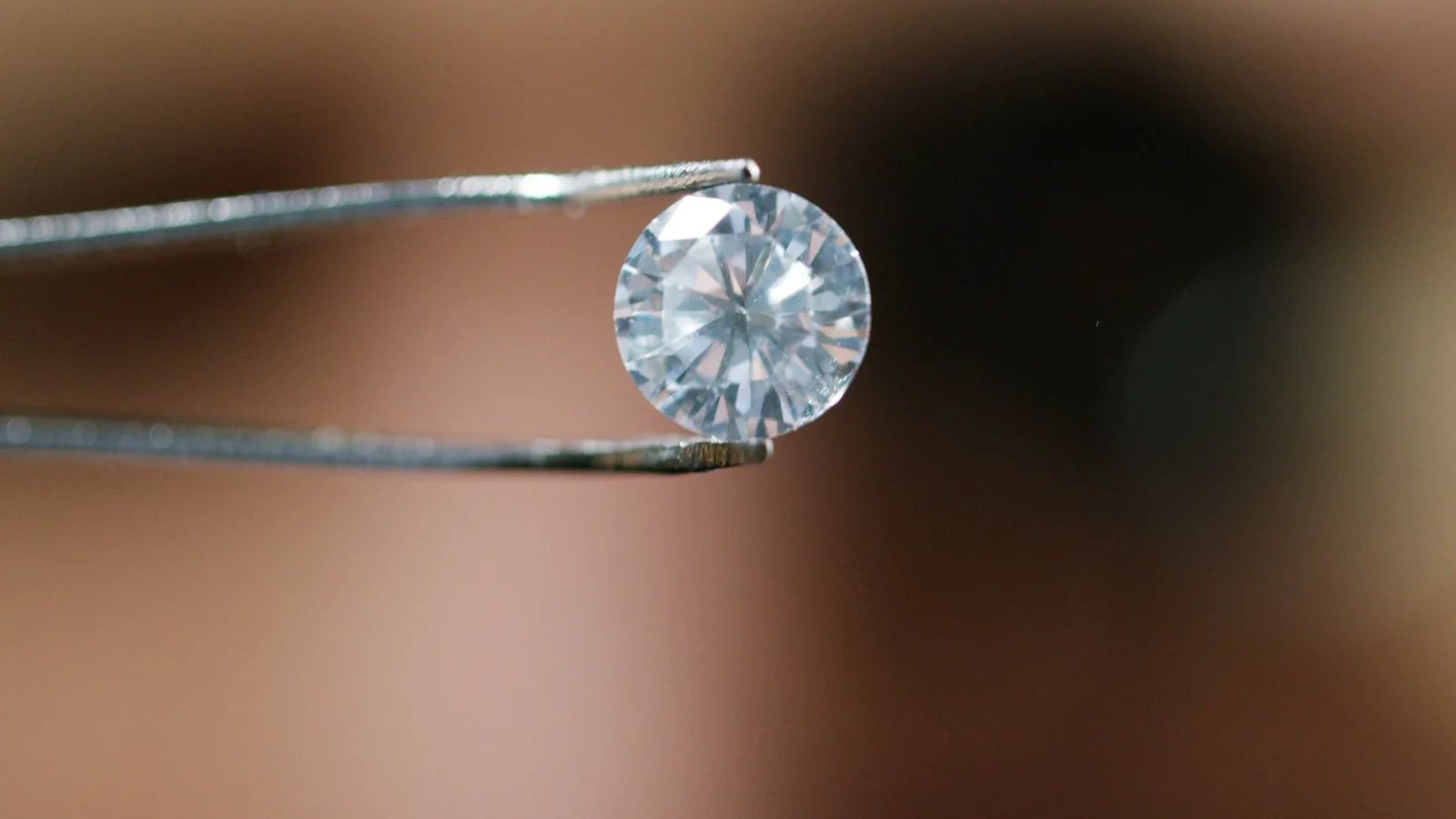
Choose 18k gold instead if you want richer color, heirloom-leaning pieces, or fine jewelry you plan to wear gently and pass down.
This comparison is based on published alloy specifications, official brand and manufacturer material pages, public buyer feedback patterns from jewelry retailers and handmade marketplaces, and editorial analysis of how each karat behaves in real wear. We did not run lab tests, and any hands-on notes here come from the broader maker and jeweler community rather than our own bench.
The whole decision comes down to one trade-off: 18k gold offers more pure gold, deeper color, and a softer, more luxurious feel, while 14k gold offers more alloy, which means more scratch resistance, better spring-back on thin designs, and a lower price per gram. Everything else in this guide flows from that single tension.
| 18k (88%) | 14k Gold (92%) | |
|---|---|---|
| Best fit | fine jewelry, engagement pieces, and heirloom-style designs | everyday rings, bracelets, chains, and active lifestyles |
| Strength | 75% pure gold for richer color and premium perceived value | durable alloy blend that holds shape on thin, high-wear designs |
| Trade-off | softer surface that scratches and dents more easily, higher cost | slightly muted color and less pure gold per gram |
Head-to-Head Scorecard
18k leads
- Color depth
- 75% gold reads warmer and more saturated, especially in yellow gold
- Precious metal value
- More gold content per gram means stronger intrinsic and resale value
- Fine jewelry fit
- Preferred for settings, filigree, and pieces judged on luxury feel
- Hypoallergenic odds
- Less base metal in the mix can help some sensitive wearers
14k Gold leads
- Durability
- Harder alloy resists scratching, denting, and shape loss
- Price per gram
- Lower gold content keeps cost meaningfully lower at retail
- Everyday wear
- Better for rings, bracelets, and pieces that take daily abuse
- Low-maintenance upkeep
- Holds polish longer and needs fewer refinishing visits
18k vs 14k Gold: Key Differences
The karat number tells you how much of the metal is actually gold. Pure gold is 24k, so 18k is 18 parts gold out of 24, or 75% gold by weight. 14k is 14 parts gold out of 24, or about 58.3% gold. The rest is alloy, a blend of metals like copper, silver, zinc, and sometimes nickel or palladium, added to change color, strength, and working properties.
That difference of roughly 17 percentage points of gold is what drives almost everything else. More gold makes a metal softer, denser-feeling, and deeper in color. More alloy makes a metal harder, springier, and cheaper per gram. Yellow 18k looks noticeably warmer and more saturated than yellow 14k, and the gap is even clearer in rose gold, where the copper content sits higher. White gold is a special case because both karats are rhodium-plated to look bright white, so the color difference is mostly hidden until the plating wears and needs refreshing.
Hallmarking matters here. In the US, pieces must be stamped with their karat, and reputable sellers list it clearly. A "14k" or "18k" stamp is your assurance of legal minimum content, so check for it on the inside of a band or near a clasp. Be cautious with vague terms like "gold tone," "gold filled," or "gold plated," which describe entirely different materials and are not the same as solid gold at any karat.
Everyday wear and lifestyle
This is where the practical difference shows up fastest. If you wear a ring 24/7, type on it, work out, garden, or stack bracelets that rub together, 14k gold is the more forgiving choice. Its higher alloy content makes it harder on the Mohs-adjacent wear scale, which means it resists the fine surface scratches that dull a polish over months of daily use. Thin 14k bands and chains also hold their shape better because the alloy gives them more spring-back.
18k gold rewards gentler wear. On an engagement ring worn most days but removed for the gym and dishes, 18k is perfectly viable and many fine jewelers build their premium lines entirely in it. The catch is that 18k prongs abrade faster, and fine milgrain or delicate engraving can soften with repeated polishing. Buyers who treat jewelry as a daily uniform tend to report more upkeep with 18k, while those who rotate pieces and store them carefully rarely notice the softness.
Color, finish, and presence
Nothing beats 18k gold on pure visual richness. With 75% gold content, yellow 18k has a saturated, almost honeyed warmth that 14k reads as slightly lighter and more brass-adjacent by comparison. Rose 18k leans a fuller, deeper pink because the higher gold-to-alloy ratio shifts the copper balance. If your goal is a piece that looks unmistakably "fine jewelry" on the finger or wrist, 18k usually wins on first impression.
14k is not dull, though. Well-finished 14k looks warm and clean, and on small pieces like thin huggies or delicate chains the difference is subtle. White gold complicates the picture further: both karats are alloyed with white metals and then rhodium-plated, so the visible color is largely determined by the plating, not the karat. If you love white metal, karat choice becomes mostly a durability and price question rather than a color one.
Weight, feel, and skin sensitivity
Gold is dense, and 18k carries more of that density. Many wearers describe 18k as feeling warmer and more substantial on the skin, which matters for larger statement pieces and heavier bands. 14k feels marginally lighter at the same dimensions, though on most pieces the difference is small enough that you would only notice it side by side.
Sensitivity is a quieter factor. Because 18k contains less base metal, it can be a better match for people who react to alloy components. Nickel is the common culprit in gold alloys, and while 14k gold is frequently nickel-free in reputable US production and often labeled as such, the lower alloy share in 18k gives sensitive skin a bit more margin. If you know you react to cheap costume jewelry, 18k or explicitly nickel-free 14k are both reasonable, but 18k stacks the odds a little further in your favor.
Price per gram and long-term value
At any given gold market price, 18k costs more per gram than 14k because it contains more gold. That gap flows straight into retail pricing, and it widens on heavier pieces. For a wide band, a chunky chain, or a bold cuff, the cost difference between the two karats becomes significant, often enough to change what you can afford at a given budget. Pricing moves with the metal market, so we are describing the direction of the gap rather than quoting fixed figures.
Long-term value is more nuanced than "more gold equals better." 18k jewelry retains more intrinsic metal value and, in fine jewelry categories, tends to hold resale and appraisal value better. But 14k is not a poor investment; it still contains real gold that trades on the same market. Where 14k wins is value delivered for the money: you get a durable, genuinely golden piece that survives daily life, often at a price that lets you buy a larger or more design-forward item than 18k would allow at the same spend.
Maintenance, refinishing, and repairs
18k gold needs more attention over its lifetime. It scratches more readily, so high-polish surfaces dull faster and may need buffing more often. Fine details like milgrain, engraving, and delicate prongs wear down with repeated polishing, which is why jewelers sometimes advise conservative refinishing on 18k heirlooms. Repairs are generally straightforward because the metal is easy to work, but prong retipping and detail preservation deserve a jeweler you trust.
14k gold is the lower-maintenance option. It holds a polish longer, resists the micro-scratches that make a ring look tired, and tolerates daily contact with desks, keys, and door handles. It also tends to hold shape on thin bands that might bend in 18k. Neither karat belongs in a swimming pool or hot tub, where chlorine and harsh chemicals can attack alloys and plating regardless of karat, so that caution applies to both.
Shopping, hallmarks, and trusting the buy
Both karats are easy to buy confidently if you know what to check. Look for a clear karat stamp, a documented alloy composition, and, for 14k, an explicit nickel-free note if sensitivity is a concern. For handmade and boutique pieces, ask whether the maker casts, hand-fabricates, or uses recycled gold, and confirm the karat in writing. White gold is often rhodium-plated; ask whether the specific piece is plated and what future maintenance it needs.
18k carries a slight edge in perceived prestige, which helps when you are buying a symbolic piece like an engagement ring and want the metal itself to signal quality. 14k carries an edge in practical transparency, because its pricing is easier to compare across sellers and it is the default for so much everyday jewelry that market benchmarks are plentiful. Neither is a trap. The trap is buying "gold" without a karat stamp, or paying 18k prices for a piece whose construction would wear better in 14k.
Choose 18k If
- You are buying an engagement ring, anniversary piece, or heirloom you plan to wear gently and keep for decades.
- Color depth is a priority and you want the warmest, most saturated yellow or rose gold available in solid gold.
- You have sensitive skin and want the lowest practical base-metal content in a solid gold piece.
- You are shopping fine jewelry from a maker who builds specifically in 18k, with settings designed to support softer metal.
- You value intrinsic gold content and the way 18k tends to appraise and resell in the fine jewelry market.
- You rotate your jewelry, store it individually, and do not mind periodic polishing to keep details crisp.
Choose 14k Gold If
- You want one ring, chain, or pair of huggies that you can wear every single day without thinking about it.
- You are active, work with your hands, or wear jewelry to the gym, and you need a metal that resists scratches and shape loss.
- Budget matters and you would rather buy a larger, more design-forward piece in 14k than a smaller one in 18k.
- You are buying for a child, a first real jewelry gift, or anyone likely to be hard on their pieces.
- You prefer white gold and understand that rhodium plating, not karat, drives the visible color.
- You want lower long-term maintenance and fewer refinishing visits over the life of the piece.
Final Verdict: 18k vs 14k Gold
For most shoppers in 2026, 14k gold is the smarter default. It contains real, meaningful gold, it survives daily life far better than 18k, and it costs less per gram, which means more design and more size for your money. If your jewelry lives on your body rather than in a box, 14k is the metal that will still look good in five years without a lot of babysitting.
That said, 18k gold earns its place. When the piece is symbolic, when color depth matters most, when you want the lowest base-metal content for sensitive skin, or when you are building something meant to be handed down, the extra gold is worth the extra care and cost. The honest answer is that neither karat is a mistake. Match the karat to how the piece will actually be worn, and you will not regret the choice.
18k vs 14k Gold: Which Should You Choose? FAQ
Is 18k gold better than 14k gold?
Not universally. 18k contains more gold (75% versus about 58.3%), which gives it richer color, a more substantial feel, and stronger intrinsic value. But 14k is harder and more scratch-resistant, costs less per gram, and holds up better to daily wear. "Better" depends on whether the piece is for gentle, occasional wear or constant use.
Which karat is more durable for an everyday ring?
14k gold is the more durable everyday choice. Its higher alloy content makes it harder, so it resists scratching, denting, and shape loss better than 18k, especially on thin bands and prongs. If you never take your ring off, 14k will look better for longer with less maintenance.
Does 18k gold look different from 14k gold?
Yes, particularly in yellow and rose gold. 18k yellow gold looks warmer and more saturated because it contains more gold, while 14k reads slightly lighter. In white gold, the difference is mostly hidden because many pieces in both karats are rhodium-plated for a bright white finish.
Is 14k gold real gold?
Yes. 14k gold is solid gold alloyed with other metals, containing about 58.3% pure gold by weight. A karat mark helps identify the stated gold content, but US jewelry does not have to carry that mark on the piece itself. Ask for the fineness in writing and check the seller’s documentation. It is a different material entirely from gold plating or gold-filled jewelry.
Which karat is better for sensitive skin?
18k gold is generally the safer bet for sensitive skin because it contains less base metal, and nickel is the most common allergen in gold alloys. That said, many 14k pieces are made nickel-free and labeled as such, so a clearly labeled nickel-free 14k can work well too.
Does 18k gold scratch more easily than 14k?
Yes. Because 18k is softer, its surface picks up fine scratches more readily, and high-polish finishes dull faster. This is why 18k jewelry often needs more frequent buffing, and why delicate details like engraving and milgrain should be polished conservatively.
Which holds its value better, 18k or 14k gold?
18k gold holds more intrinsic metal value because it contains more gold per gram, and it tends to appraise and resell better in fine jewelry categories. 14k still contains real gold that trades on the same market, but its value proposition is more about durable everyday wear per dollar than maximum resale.
Related articles
10k Gold vs 14k Gold: Which Should You Choose?
A practical head-to-head comparison of 10k Gold and 14k Gold, covering quick verdict, key differences, category winners, buyer fit, and FAQ.

Blazer vs Suit Jacket: Which Should You Choose?
A practical head-to-head comparison of Blazer and Suit Jacket, covering quick verdict, key differences, category winners, buyer fit, and FAQ.
Gold Filled vs Gold Plated: Which Should You Choose?
A practical head-to-head comparison of Gold Filled and Gold Plated, covering quick verdict, key differences, category winners, buyer fit, and FAQ.