
Blazer vs Suit Jacket: Which Should You Choose?
A practical head-to-head comparison of Blazer and Suit Jacket, covering quick verdict, key differences, category winners, buyer fit, and FAQ.
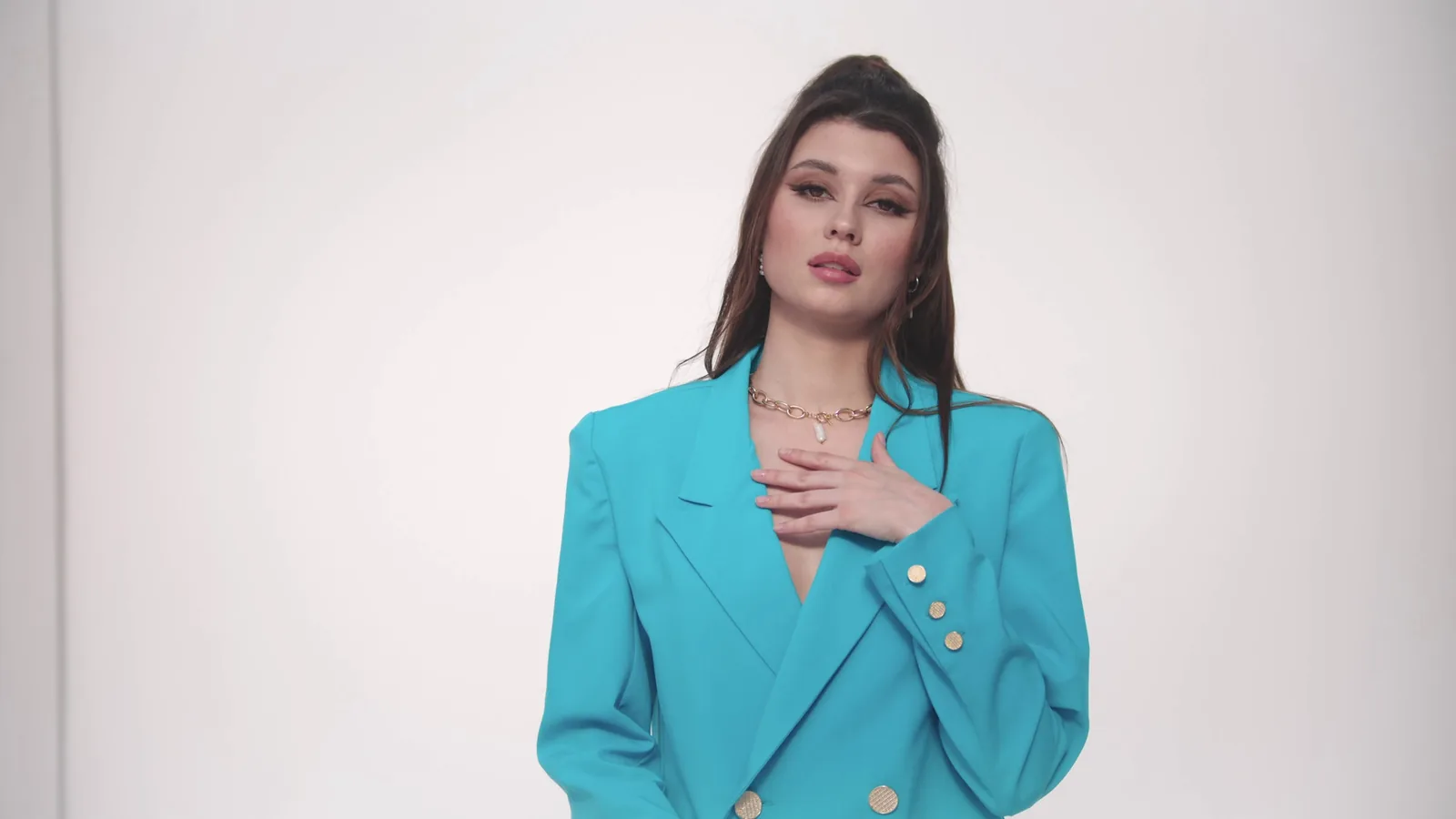
A suit jacket wins when you need a coherent suit for formal or business settings, or when the fabric, color, and trousers were sold as one intentional set.
This comparison draws on official product information, public buyer feedback patterns, and editorial analysis of construction, fabric, and fit. We have not run a lab test on every jacket on the market, and we do not pretend otherwise.
The deciding trade-off is simple. A blazer is built to stand alone, so it forgives odd trousers, denim, and layered knits. A suit jacket is built to match its trousers, so it looks most intentional when worn as a set — but it can feel stranded or costume-like when separated. The better choice depends on how often you actually need a full suit versus how often you need one jacket to do several jobs.
| Blazer (88%) | Suit Jacket (82%) | |
|---|---|---|
| Best for business casual, creative offices, dinners, travel, and layering over denim or chinos | Best for interviews, weddings, court dates, formal business, and any setting with a dress code | |
| Strength | stands alone, works with more trousers, more forgiving of pattern and texture mixing | coherent lines, matched fabric, and a unified silhouette that reads as intentional |
| Trade-off | less formal than a matched suit, and a cheap blazer can look costumey fast | hard to wear without its trousers, and less adaptable to casual looks |
Head-to-Head Scorecard
Blazer leads
- Versatility
- Moves easily from office to dinner with a trouser change
- Ease of styling
- Tolerates denim, chinos, and contrasting textures
- Travel value
- One jacket covers more dress codes in a carry-on
- Seasonal range
- Works over knits, tees, and light layers
Suit Jacket leads
- Formality
- Reads as more serious in business and formal settings
- Visual coherence
- Matched fabric and cut make the outfit look complete
- Event fit
- Interviews, weddings, and dress codes rarely question it
Routine fit winner
A blazer tends to fit more routines because it was designed to be worn alone. Most blazers are cut with a little more room through the chest and shoulder to layer over a shirt, a fine-gauge knit, or a lightweight tee. That makes the same jacket workable across seasons and dress codes. A suit jacket is cut to match a specific trouser rise and fabric, so once you separate the two, small mismatches in tone or formality become visible. For someone who dresses in a mix of smart casual and business casual five days a week, the blazer simply gets worn more often.
Formula or feature winner
The "formula" here is the outfit recipe. A suit jacket has a fixed formula: jacket plus matching trousers, usually a shirt, sometimes a tie. That formula is why it works so reliably at a wedding or an interview. A blazer has a looser formula: jacket plus contrast trousers, then whatever shirt or knit suits the room. That looseness is the feature. It lets you adjust formality by changing one piece. In practice, shoppers who want one reliable outfit recipe for formal occasions prefer the suit jacket. Shoppers who want a repeatable but flexible recipe prefer the blazer.
Ease of use winner
Ease of use is about how hard it is to look intentional. A suit jacket is easier in the sense that you do not have to think about matching — the trousers already do that. But it is harder in the sense that it only looks right when it is worn as intended. Take the jacket off the suit and put it over jeans, and it often reads as a mistake rather than a choice. A blazer flips that: you have to choose trousers, but almost any well-fitted neutral trouser works. For most buyers, the blazer is easier to use day to day, while the suit jacket is easier to use for one specific occasion.
Value winner
Value comes down to cost per wear. A suit jacket is usually bought as part of a two- or three-piece, so the effective cost includes the trousers. If you wear the full suit a few times a year, the cost per wear is high. A blazer is often bought alone, and because it pairs with trousers you already own, the entry cost is lower and the wear frequency is higher. That said, a suit is better value if your work or social calendar genuinely calls for formal dress several times a month. The honest answer: blazer wins on cost per wear for most people, suit jacket wins on value for people with a real formal dress code.
Buyer confidence winner
Buyer confidence is about knowing you made the right call. Suit jackets are easier to buy with confidence because the rules are clear: match the trousers, match the fabric, match the formality. Blazers require more judgment. Navy is safe. A pattern, a bold color, or a heavy texture can be excellent, but it can also date quickly or feel too loud for your workplace. Public buyer feedback on blazers often mentions fit at the shoulder and whether the sleeve length needed tailoring. On suit jackets, the common complaint is sizing inconsistency between the jacket and trouser, which is a manufacturing issue rather than a styling one. For a first serious jacket purchase, the suit jacket is easier to get right. For a second or third jacket, the blazer opens more outfits.
Fabric and construction transparency
Both garments live or die on fabric and construction. Look for a clear fiber content: wool, wool blends, cotton, linen, or a defined performance blend. A blazer in a textured wool or a wool-linen blend tends to hold shape and resist wrinkling better than a thin synthetic. A suit jacket should ideally match its trousers in fiber and weave, because a jacket in one weave over trousers in another is one of the fastest ways a suit stops looking like a suit. Check whether the jacket is half-canvassed or fused. Half-canvassed jackets generally mold to the body over time; fused jackets are more common at lower price points but can bubble with heat and dry cleaning. Neither garment is automatically better made — the construction matters more than the label.
Occasion range winner
Occasion range is where the blazer pulls ahead. A navy or charcoal blazer can go to a business casual office, a nice dinner, a daytime wedding, or a flight, depending on the trousers and shirt. A suit jacket has a narrower range: it shines in formal business, interviews, weddings, and anything with a stated dress code, but it looks out of place at a casual brunch unless the whole suit is worn intentionally. If your calendar includes both casual and formal events, one blazer plus one suit covers more ground than two suits. If your calendar is mostly formal, the suit jacket is the stronger single purchase.
Choose Blazer If
- You want one jacket that works over denim, chinos, and dress trousers.
- Your workplace is business casual, smart casual, or creative rather than strictly formal.
- You travel and want one jacket to cover several dress codes.
- You already own a suit and want a second, more flexible layer.
- You prefer to change formality with a shirt or knit rather than a full outfit change.
- You are buying your first serious jacket and want the higher cost-per-wear option.
Choose Suit Jacket If
- You have interviews, weddings, or formal work events on the calendar.
- You want a matched set that reads as intentional without styling decisions.
- Your dress code is business formal or business professional.
- You are building a first suit and want the jacket and trousers to match exactly.
- You value a clear formula over flexibility.
- You wear the full suit often enough that the matching set is worth the cost.
Final Verdict: Blazer vs Suit Jacket
For most people in 2026, the blazer is the better first or second jacket purchase because it earns more wear and pairs with clothes you already own. It is the more useful layer for business casual, travel, dinners, and the growing share of settings that sit between casual and formal.
The suit jacket remains the right choice when the occasion demands a suit. If you have a formal dress code, a wedding season, or interviews ahead, buy the suit jacket with its matching trousers and treat it as one garment. The two are not rivals so much as different tools. If you can only buy one, buy the blazer. If you need a suit, buy the suit — and add a blazer later.
Blazer vs Suit Jacket: Which Should You Choose? FAQ
Can you wear a suit jacket as a blazer?
You can, but it usually looks better when the jacket and trousers are close in tone and formality. A suit jacket over jeans or casual chinos often reads as mismatched because the fabric and cut were designed as a set. If you want to separate a jacket, choose one with texture, a slightly more relaxed cut, and neutral trousers.
Is a blazer more formal than a suit jacket?
No. A matched suit jacket is generally more formal because it belongs to a complete suit. A blazer is more versatile but less formal. Formality comes from the full outfit, not just the jacket, so a blazer with dress trousers and a shirt can look more formal than a suit jacket worn with a casual tee.
What color blazer should I buy first?
Navy is the safest first blazer because it works with grey, tan, olive, and denim. Charcoal is a close second. Avoid loud patterns or very light colors for a first purchase, since they are harder to pair and date faster.
Should a blazer and suit jacket fit the same way?
They should both fit at the shoulder first. The shoulder seam should sit at your natural shoulder edge, and the collar should stay close to your neck when you move. A blazer can be cut a little roomier to layer over knits. A suit jacket should follow the trouser rise and fabric, so tailoring them together matters more.
Do I need both a blazer and a suit jacket?
If your calendar includes both casual and formal settings, having both is genuinely useful. A navy blazer covers smart casual and semi-formal, and a grey or navy suit covers formal events. If you can only own one, choose based on which type of event appears most often in your life.
Which is better value for a first jacket purchase?
For most people, a blazer is the better value because it pairs with trousers you already own and gets worn more often. A suit jacket is better value if you have a formal dress code and will wear the full suit regularly. Cost per wear, not sticker price, is the honest measure.
Related articles
10k Gold vs 14k Gold: Which Should You Choose?
A practical head-to-head comparison of 10k Gold and 14k Gold, covering quick verdict, key differences, category winners, buyer fit, and FAQ.
18k vs 14k Gold: Which Should You Choose?
A practical head-to-head comparison of 18k and 14k Gold, covering quick verdict, key differences, category winners, buyer fit, and FAQ.

Gold Filled vs Gold Plated: Which Should You Choose?
A practical head-to-head comparison of Gold Filled and Gold Plated, covering quick verdict, key differences, category winners, buyer fit, and FAQ.