
How To Style Men's Plaid Shirts
A practical step-by-step guide to how to style men's plaid shirts, including preparation, instructions, common issues, tips, and next steps.
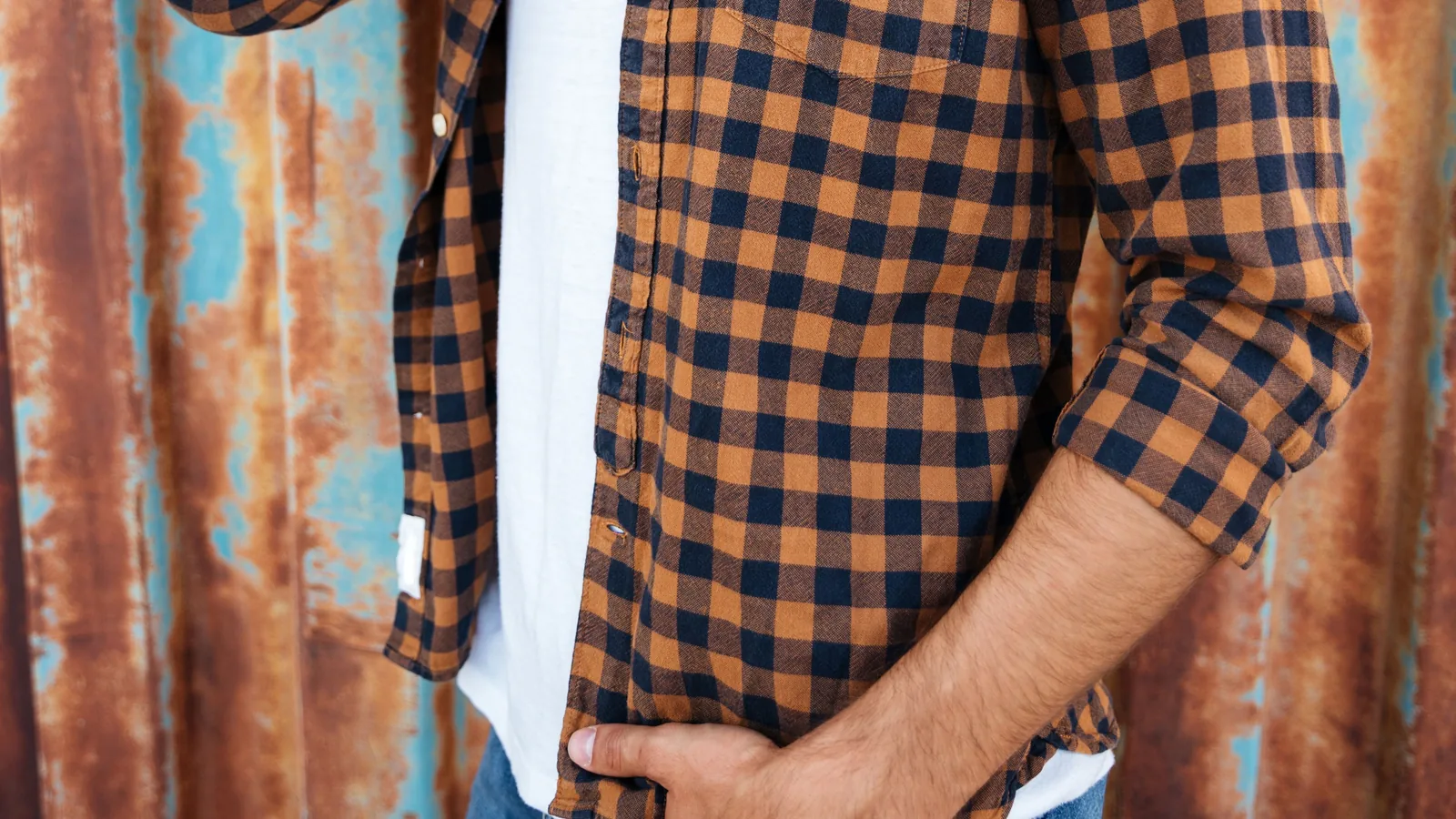
Styling a men's plaid shirt comes down to three choices: the scale of the check, the fit across your shoulders and chest, and how you layer it. Nail those and one shirt can carry you from a weekend coffee run to a relaxed dinner. The main caution is matchy overload, so treat the plaid as the loudest voice in the room and let everything else stay quiet.
Fast Answer
- Start with fit
- shoulder seam sits on your shoulder bone, one fist of room at the chest.
- Build around one loud piece
- plaid shirt loud, pants and layers quiet.
- Time needed
- 20 to 30 min
- Difficulty
- Easy
- Watch out for
- Pattern clash
Before You Start
- A mirror you can step back from, ideally full-length.
- Two or three plaid shirts in different check sizes so you can compare.
- Plain pants in dark denim, olive, charcoal, or stone.
- One or two solid layers such as a tee, a knit sweater, or a denim or chore jacket.
- Decent light. Overhead bulbs lie about color, so check near a window if you can.
- A quick look at the fabric content on the label, since cotton, flannel, and blends drape very differently.
Quick Summary: how to style men's plaid shirts
Plaid shirts work because the pattern does the talking. Your job is to decide how loud you want that conversation to be. A big buffalo check reads casual and outdoorsy. A small tattersall or gingham check reads sharper and works closer to business casual. A mid-size tartan sits somewhere between and is the safest starting point.
Once you know your check size, you build the outfit around it. Pick pants and layers in solid, muted tones. Get the fit right at the shoulders and chest. Then choose your move: wear it buttoned as a stand-alone shirt, wear it open over a tee, or layer it under a sweater or jacket.
Before You Start
Most plaid shirt disasters are not styling failures. They are fit failures, color failures, or a mismatch between the shirt's formality and the rest of the outfit. Fix those three things in advance and the rest of this guide gets much easier.
What You Need
You do not need a big wardrobe. You need a few good basics that let the plaid shirt do its job.
- Solid pants: dark indigo denim, olive chinos, charcoal wool, or stone cotton twill. These are the quiet foundation.
- Solid tees: white, heather grey, navy, or black. Crew neck, plain, no graphics.
- One knit layer: a crew or V-neck sweater in a solid color. This is the easiest way to dress plaid up.
- One outer layer: a denim jacket, chore coat, or waxed cotton jacket. Keep it solid.
- Footwear that matches the plan: clean sneakers for casual, leather boots or loafers for anything smarter.
- A steamer or iron: wrinkles ruin the drape of a good shirt faster than anything else.
Safety, Timing, or Context Checks
Before you commit to an outfit, run three quick checks.
- Formality check. Where are you going? A buffalo check shirt at a smart dinner will look off. A fine tattersall at a muddy campsite will look precious.
- Dress code check. If the invitation says business or formal, plaid is usually the wrong call unless it is a subtle check under a jacket.
- Weather check. Heavy flannel is a cold-weather fabric. Lightweight cotton poplin is for warm months. Do not fight the season.
- Color check. Hold the shirt near your face in daylight. If it washes you out or fights your skin tone, put it back.
Step-by-Step Instructions
-
Judge the check size first
Pick up the shirt and look at the pattern from a few feet away. Ask one question: is this a big, medium, or small check? Big checks like buffalo plaid read casual and outdoorsy, so keep the rest of the outfit plain. Medium checks like tartan and windowpane are the most flexible and work for most everyday outfits. Small checks like tattersall and gingham read neater and can sit under a jacket without looking busy.
This single decision sets your formality level. Once you know your check size, you know how far you can push the rest of the outfit.
Tip: If you are unsure, choose a medium check in a muted color. It is the hardest one to get wrong.
-
Get the fit right at the shoulders and chest
Put the shirt on and check two points. The shoulder seam should sit right on the edge of your shoulder bone, not hanging off it and not pinching inward. Then button the middle button and slide one flat hand under the fabric at your chest. If your hand fits, the shirt has room to breathe. If it does not, the shirt is too tight.
Check the length too. The hem should land around the middle of your zip, or just below your hip bone. Anything longer starts to look like a nightshirt, especially when worn untucked.
Check first: A slim fit on a big frame will pull at the buttons. Size up and get it tailored rather than squeezing into the wrong cut.
-
Choose one loud element and mute everything else
Treat the plaid shirt as your statement piece. That means solid pants in a tone pulled from the shirt itself. Camo, stripes, another plaid, or bold graphics with a plaid shirt is a common mistake. Pick a single color from the check and echo it elsewhere if you want, but only once.
A good example: a red and black buffalo check over dark indigo jeans and a white tee. Muted, clean, and the shirt still leads. A weaker example: the same shirt over camo pants with a graphic tee. Now three things are shouting and none wins.
-
Pick your wearing style: buttoned, open, or layered
You have four main moves. Buttoned and tucked with a belt is the smartest and works with fine checks and dressier pants. Buttoned and untucked is the everyday default and works with almost any check. Worn open over a solid tee is the casual weekend move. Layered under a sweater or jacket is the sharpest and most versatile.
Match the move to the check. Fine checks handle tucking and layering well. Heavy buffalo checks look best open or untucked. If you are not sure, go open over a white or grey tee and roll the sleeves once.
Tip: When you wear it open, keep the tee tucked or half-tucked. It stops the layers from stacking up at your waist.
-
Layer with intention
Layering is where plaid shirts earn their keep. Try a fine check under a solid crew neck sweater with the collar and cuffs peeking out. Or wear a heavier flannel open over a plain tee under a denim jacket. The rule is simple: one pattern per outfit, so every other layer stays solid.
Watch your proportions. If the shirt is long, keep the outer layer shorter or roughly the same length. If the shirt is boxy, choose a slimmer outer layer. Two loose pieces stacked together make you look shapeless.
-
Finish the outfit with shoes and a belt
Shoes decide the formality. Clean white or grey sneakers keep the outfit casual. Leather boots, loafers, or chukkas push it toward smart casual. Match your belt to the shoe color in general terms, brown with brown and black with black, and keep both simple.
Skip loud watches, big logo caps, and heavy pattern socks. The shirt is already doing the work. A plain leather strap watch and a solid cap or no cap at all is plenty.
-
Check the fit and finish in a full-length mirror
Step back and look at the whole outfit from head to toe. Check for pulling at the buttons, bunching at the waist, and a hem that sits too low. Roll your sleeves once or twice if they are long, and make sure the cuff sits just above your wrist bone.
Look at the outfit in daylight if possible. Indoor light can hide color clashes that show up the moment you step outside.
Tip: A single roll of the sleeve at the forearm reads relaxed and intentional. Two or three rolls start to look sloppy.
Common Problems When You how to style men's plaid shirts
These come up again and again, and every one has a simple fix.
- The outfit looks busy. You have more than one pattern going. Strip the outfit back to one pattern, three solid colors, and rebuild from there.
- The shirt looks cheap or stiff. Often it is the fabric, not the styling. Cotton flannel with a bit of brushing drapes better than stiff cotton blends. If the shirt will not soften after a few washes, it is the shirt.
- It hangs too long. Get the hem taken up to mid-zip. A tailor can do this in a day for a modest fee, and it changes how the shirt reads completely.
- It pulls at the chest buttons. The shirt is too small. Size up and get the sides taken in if you want a slimmer look.
- The colors fight your skin. Cool-toned checks in blue, grey, and green usually suit cooler skin. Warm checks in rust, tan, and red suit warmer skin better. If a shirt makes you look tired, trust that signal.
- Sleeves are too long. Roll them or get them shortened. Sleeves that cover your hands look like borrowed clothing.
- It looks too casual for where you are going. Add a solid knit sweater or a plain jacket over the top. Layering is the fastest way to raise formality.
Advanced Tips for how to style men's plaid shirts
Once the basics are comfortable, these small moves make a big difference.
- Use the check to guide your color palette. Pull one secondary color from the plaid and repeat it in your pants, socks, or knit layer. One echo is precise. Two is too many.
- Match check scale to your frame. Big checks add visual width, so they suit slimmer frames. Small checks read tighter and flatter broader builds.
- Try the "third piece" trick. A plain jacket, a knit sweater, or a structured overshirt worn over the plaid turns a two-piece outfit into a complete look.
- Buy one good shirt instead of three cheap ones. Look at the fabric content, the stitching on the placket, and whether the pattern lines up at the chest seam. Aligned pattern matching is a quiet sign of quality.
- Wash cold and hang dry. Heat is what shrinks cotton and fades dye. Cold wash and air drying keeps the check crisp and the fit honest.
- Steam, do not press flat. A steamer smooths wrinkles without flattening the texture of the weave.
- Rotate your shirts. Give each one a rest between wears. Fabric recovers and the shirt lasts longer.
Quick Reference
| Use this | Why | |
|---|---|---|
| Weekend errands | Buffalo check worn open over a white tee, dark denim, clean sneakers | Relaxed and easy, with the shirt doing all the work |
| Smart casual dinner | Fine check buttoned, tucked, with charcoal or navy pants and leather shoes | The smaller check reads neater and the tuck sets a cleaner line |
| Cold weather | Flannel plaid under a solid crew neck sweater, collar and cuffs showing | Adds warmth and layers without adding a second pattern |
| Office with a dress code | Subtle tattersall under a solid blazer | Reads like a neat shirt, not a statement piece |
| Outdoor work or a hike | Heavy flannel over a plain tee, olive or khaki pants, boots | Durable, practical, and matches the setting |
| You feel overdone | Remove one layer and switch to a solid tee | Fewer patterns always look cleaner |
Common Issues
If the result is not working as expected, return to the previous step, check the material or setting involved, and make one adjustment at a time for how to style men's plaid shirts.
Final Checklist for how to style men's plaid shirts
- Check size chosen and formality level matched to the occasion.
- Shoulder seam sits on the shoulder bone and the chest has one hand of room.
- Hem lands at mid-zip or just below the hip bone.
- Only one pattern in the whole outfit. Everything else solid.
- Pants color pulled from the check or kept neutral.
- Layering is solid on solid, with the plaid as the feature piece.
- Shoes and belt kept simple and generally matched in color.
- Shirt steamed, not flattened, and stored so the check stays sharp.
- Outfit checked once in a full-length mirror before heading out.
- Next action: pick your favorite shirt, run these checks, and photograph the outfit. Then build a second version using the same shirt in a different wearing style so you get more than one look out of one piece.
How To Style Men's Plaid Shirts FAQ
Can I wear two plaid pieces together?
Rarely, and only if the checks are wildly different in scale, like a tiny gingham shirt under a big blanket plaid jacket. For most people, one pattern at a time is the safer rule.
Should a plaid shirt be tucked or untucked?
Both work. Tuck it when the pants are dressier or the shirt has a fine check. Leave it untucked when the hem sits at mid-zip and the outfit is casual. If the hem hangs past your hip bone, get it shortened before you wear it out.
What pants go with a plaid shirt?
Solid colors in dark denim, olive, charcoal, navy, or stone. Avoid camo, stripes, or a second plaid. If you want a color, pull one from the check itself.
Is plaid ever appropriate for business casual?
Yes, if the check is small and subtle. A fine tattersall or dress shirt check worn under a solid blazer works well. Big buffalo checks do not belong in a business setting.
Can I wear a plaid shirt with a suit?
Only with a fine, low-contrast check and a solid tie or no tie at all. Anything bolder will fight the suit. For most suits, a solid shirt is the safer choice.
How do I stop a plaid shirt from looking frumpy?
Check three things: the shoulder seam, the chest room, and the hem length. Most frumpy plaid shirts are simply too big and too long. Fix the fit and the shirt changes completely.
What shoes work best with a plaid shirt?
Clean sneakers for casual, leather boots or loafers for smart casual. Match your belt to the shoe color and keep both plain.
Related articles
Dress Shirt How To Measure
A practical step-by-step guide to dress shirt how to measure, including preparation, instructions, common issues, tips, and next steps.
High Heels How To Walk
A practical step-by-step guide to high heels how to walk, including preparation, instructions, common issues, tips, and next steps.
How To Dress For Your Body Type
A practical step-by-step guide to how to dress for your body type, including preparation, instructions, common issues, tips, and next steps.