
How To Wear A Vest
A practical step-by-step guide to how to wear a vest, including preparation, instructions, common issues, tips, and next steps.
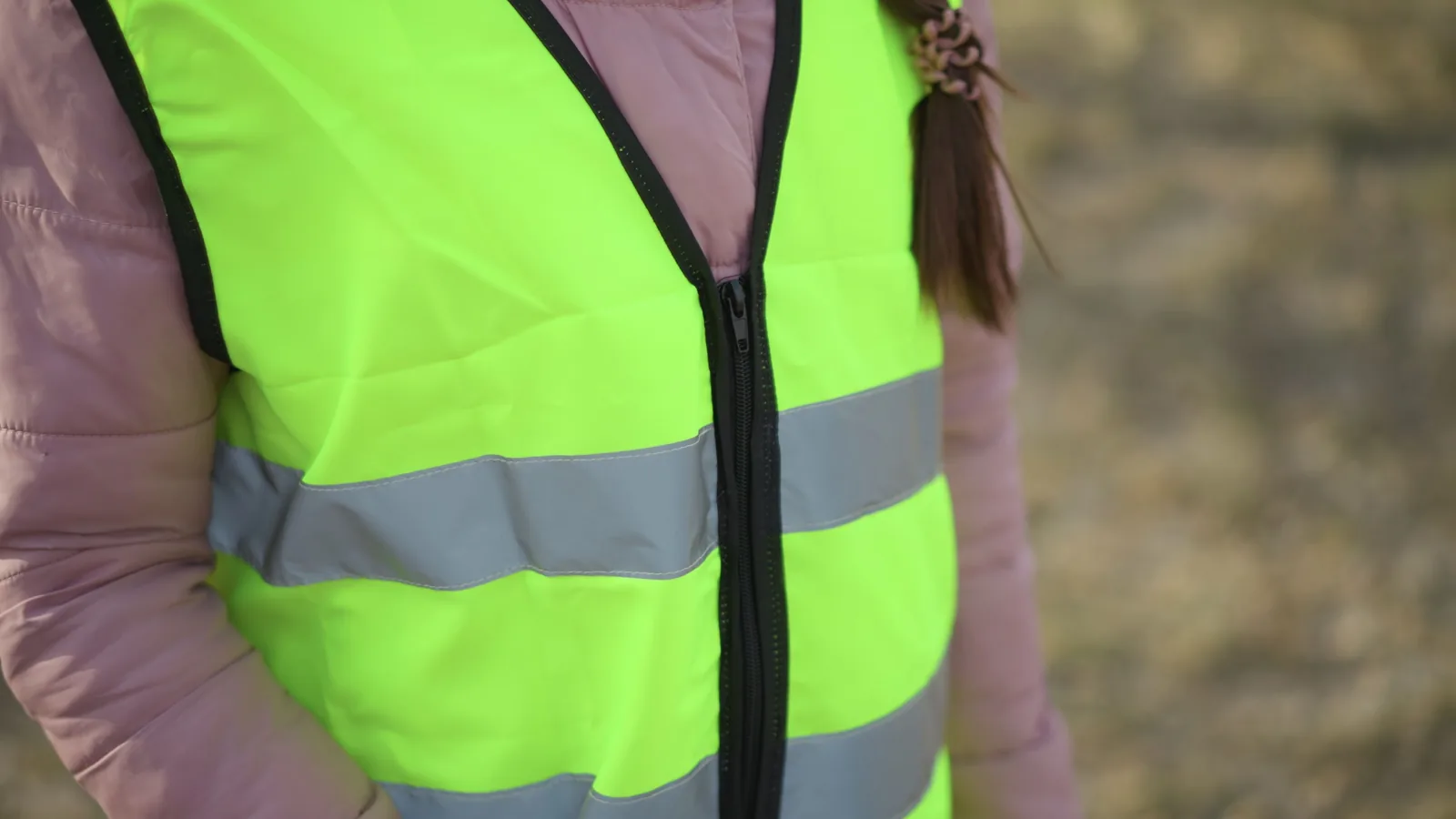
Learning how to wear a vest comes down to three things: fit at the shoulder, the right length for your torso, and a layer underneath that does not fight the vest. Done well, a vest sharpens a plain outfit and adds warmth without the bulk of a full jacket. The main caution is size — a men's or oversized vest worn too wide will swallow your shape and look like borrowed clothing.
Fast Answer
- Best base layer
- a fitted tee, slim turtleneck, or crisp button-down in a solid color
- Fit rule
- shoulder seam sits at your natural shoulder and the front closes without pulling
- Time needed
- 10-20 min
- Difficulty
- Beginner
- Watch out for
- Over-layering
Before You Start
- A full-length mirror so you can check shoulder, hem, and proportion in one look.
- Two or three fitted base layers to try underneath: a tee, a long-sleeve knit, and a button-down.
- Your vest of choice, plus the pants or skirt and shoes you plan to wear it with.
- A steamer or iron for any wrinkles in the vest and the layer below it.
- A quick look at the care label so you know the fabric before you layer anything heavy over it.
Step-by-Step Instructions
-
Start With the Base Layer
The layer under the vest sets the whole tone. A fitted tee keeps things casual and clean. A slim turtleneck or fine-gauge knit reads polished. A crisp button-down works when you want a tailored, office-ready look. What matters most is that the base is fitted, not baggy. A loose top bunches under a vest and adds fake bulk at the waist.
Tuck the base layer in or choose a cropped length so the vest hem sits clean. If the shirt is long, its tail will peek below the vest and break the vertical line. For a smoother finish, match the base layer color close to the vest, or go deliberately lighter for contrast.
Tip: Smooth, tight knits slide under a vest far better than chunky sweaters, which fight the armholes.
-
Check the Shoulder and Chest Fit
Put the vest on over your base layer and stand in front of the mirror. The shoulder seam should sit right at the edge of your natural shoulder. If it droops down your arm, size down. Then close the vest, if it has a closure. You want the fabric to lie flat across the chest and close with about two fingers of ease, not gap open and not pull tight across the buttons.
The armholes matter too. They should sit close to the body without digging into your underarm. If they gape wide, the vest is too big and will look sloppy. Vest sizing is often one step more fitted than a jacket, so do not assume your coat size is your vest size.
Watch out: Vests with a structured shoulder pad are less forgiving than soft, unstructured ones. If it is your first tailored vest, start plain.
-
Pick the Right Length for Your Torso
Length changes the whole proportion. A cropped or waist-length vest hits at or just above the top of your pants and pairs best with high-rise bottoms. A hip-length vest covers the waistband and works well with mid- and low-rise pieces, but it can shorten your legs if it stops at the widest part of your hip.
As a general rule, avoid a hem that ends right at your widest point. Either go shorter and show more waist, or go longer and let it fall past the hip. A tunic-length vest can double as a dress-like layer when it is long enough and the base layer is minimal.
Tip: If the vest feels wrong but the fit is right, the length is usually the culprit. Try it with a higher or lower rise before you give up on it.
-
Decide Open or Closed
Buttoned or zipped vests create a strong vertical line that reads sharp and intentional. Leave the bottom button open for ease of movement. Worn open, a vest works more like a light jacket and adds an easy, relaxed layer over a tee or knit.
Single-breasted vests, meaning one row of buttons, look neat and slim. Double-breasted vests can add width across the chest, which is great if you want more presence and less flattering if you are already broad-shouldered. If your vest has a belt or tie at the back, snug it slightly to shape the waist without cinching hard.
-
Choose Trousers That Balance the Top
A vest adds visual weight to your upper body, so the bottom half should balance it. Straight-leg or wide-leg trousers, dark denim, and tailored skirts all work. Skinny bottoms can make the top half look top-heavy, especially with a padded or textured vest.
For a modern, sharp outfit, match the vest to your trousers in color and fabric for a suit-like effect. For a more casual look, pair a knit or quilted vest with relaxed denim and a simple shoe. Keep the waistband neat so the vest hem sits cleanly above or below it.
Tip: A high-rise trouser with a cropped vest is one of the most flattering combinations because it puts your waist high and keeps your legs long.
-
Style Around the Vest With Shoes and Accessories
Keep accessories simple so the vest stays the focus. A thin belt, a small pendant, or a structured bag is usually plenty. If the vest is patterned or heavily textured, let everything else stay quiet. If the vest is plain, you can add a scarf, a cropped necklace, or a bolder shoe.
Shoes finish the outfit. Loafers or ankle boots sharpen a tailored vest. Sneakers keep a knit or casual vest easy. Match your shoe weight to the vest weight: a heavy, structured vest with delicate sandals can look unbalanced, and a light vest with heavy boots can too.
-
Check the Whole Outfit in the Mirror
Step back and look at the full picture. Check the shoulder line, the hem placement, and whether the base layer peeks out where you want it to. Turn to the side to see how the vest falls across your back and waist. Sit down once to make sure the buttons or zipper do not strain.
If something feels off, change one thing at a time. Swap the base layer, then the bottoms, then the shoes. Small adjustments often fix a look that felt almost right.
Tip: Photograph the outfit. A photo shows proportion problems your eye misses in the mirror.
Quick Reference
| Use this | Why | |
|---|---|---|
| Casual daytime look | Knit or quilted vest over a fitted tee with jeans | Relaxed weight matches the vibe and stays easy to move in |
| Office or dressy event | Tailored vest over a button-down or slim turtleneck | Strong vertical line reads polished and intentional |
| Padded or bulky vest | Skip a heavy sweater; keep the base thin | Too many thick layers add fake bulk at the waist |
| Long or tunic vest | High-rise bottoms and a minimal base | Keeps the waist high so legs still look long |
| Vest too wide at the shoulder | Size down or try a smaller shoulder cut | Shoulder fit cannot be fixed by styling |
Common Problems When You Wear a Vest
- The vest looks huge: Size down. If the shoulders droop and the chest gaps, no styling will fix it.
- The buttons pull across the chest: The vest is too small. Try a size up or a softer, stretchier fabric.
- Too bulky through the middle: The base layer is too thick. Switch to a fitted tee or thin knit.
- Legs look short: The hem is landing at your widest point. Go shorter with high-rise bottoms or longer past the hip.
- Armholes dig in: The vest is cut too narrow in the chest or shoulder. Look for a roomier cut or an open-front style.
- Shirt tail peeking out: Tuck the base layer in or choose a cropped top.
- Outfit feels flat: Add contrast with a lighter base, a thin belt, or a different shoe.
Advanced Tips for Wearing a Vest
- Try the vest as a top. A structured vest buttoned over bare skin, with high-rise trousers, is a clean summer or evening look. Check the armhole coverage first.
- Layer under a coat. A thin tailored vest sits nicely under an overcoat for extra warmth without a puffy outline.
- Match fabrics, not just colors. A wool vest over wool trousers looks more expensive than a wool vest over slick synthetic fabric.
- Use the back cinch. If your vest has a back tie or belt, snug it slightly to shape the waist. Too tight looks fussy.
- Roll the sleeves on your base layer. A pushed-up sleeve on a shirt or knit breaks up the vertical line and looks more relaxed.
- Respect the care label. Vests often have structure or lining that cannot handle hot water or a hot iron. Spot clean and steam when you can.
Common Issues
If the result is not working as expected, return to the previous step, check the material or setting involved, and make one adjustment at a time for how to wear a vest.
Final Checklist for How To Wear A Vest
- Shoulder seam sits at your natural shoulder.
- Vest closes with about two fingers of ease, no gaping or pulling.
- Base layer is fitted and tucked or cropped.
- Hem avoids your widest point.
- Bottoms balance the top half.
- Shoes and accessories match the vest's weight.
- You sat down and moved your arms without strain.
- The full outfit looks right in a photo, not just the mirror.
Next step: Try the same vest with three different base layers this week. Note which one you reach for most, then build your next outfit around that combination.
How To Wear A Vest FAQ
What do you wear under a vest?
A fitted tee, a slim turtleneck, or a crisp button-down all work well. Keep the base layer smooth and fitted so the vest sits flat. A loose or chunky layer underneath adds bulk and breaks the line.
Should a vest be tight or loose?
It should be close to the body without pulling. The shoulder seam should sit at your natural shoulder and the front should close with about two fingers of ease. If it gaps or digs in, the size is off.
Can you wear a vest with jeans?
Yes. Knit and quilted vests pair naturally with denim. Keep the jeans straight or slightly relaxed and choose shoes that match the vest's weight, such as sneakers for a casual vest or boots for a heavier one.
How do you wear a vest over a dress?
Choose a cropped or waist-length vest so the dress shape still shows. A structured vest over a slip or midi dress adds contrast. Keep the dress fitted at the waist so the vest layers smoothly.
Do you button the bottom button on a vest?
On tailored, single-breasted vests, leave the bottom button open so the fabric lies flat and you can move. On knit or zip-front vests, fasten however feels comfortable.
Is a vest flattering for all body types?
Yes, if the fit and length are right. Petite frames usually do best with cropped or waist-length vests and high-rise bottoms. Taller or broader frames can carry longer, structured, or padded styles. Fit at the shoulder matters most.
Can you wear a vest in summer?
Yes. Choose a lightweight, unlined cotton or linen vest. Wear it open over a tank or tee, or buttoned as a top with high-rise shorts or trousers. Check that the armholes cover well before going sleeveless.
Related articles
Dress Shirt How To Measure
A practical step-by-step guide to dress shirt how to measure, including preparation, instructions, common issues, tips, and next steps.

High Heels How To Walk
A practical step-by-step guide to high heels how to walk, including preparation, instructions, common issues, tips, and next steps.
How To Dress For Your Body Type
A practical step-by-step guide to how to dress for your body type, including preparation, instructions, common issues, tips, and next steps.