
How To Wear Jewelry
A practical step-by-step guide to how to wear jewelry, including preparation, instructions, common issues, tips, and next steps.
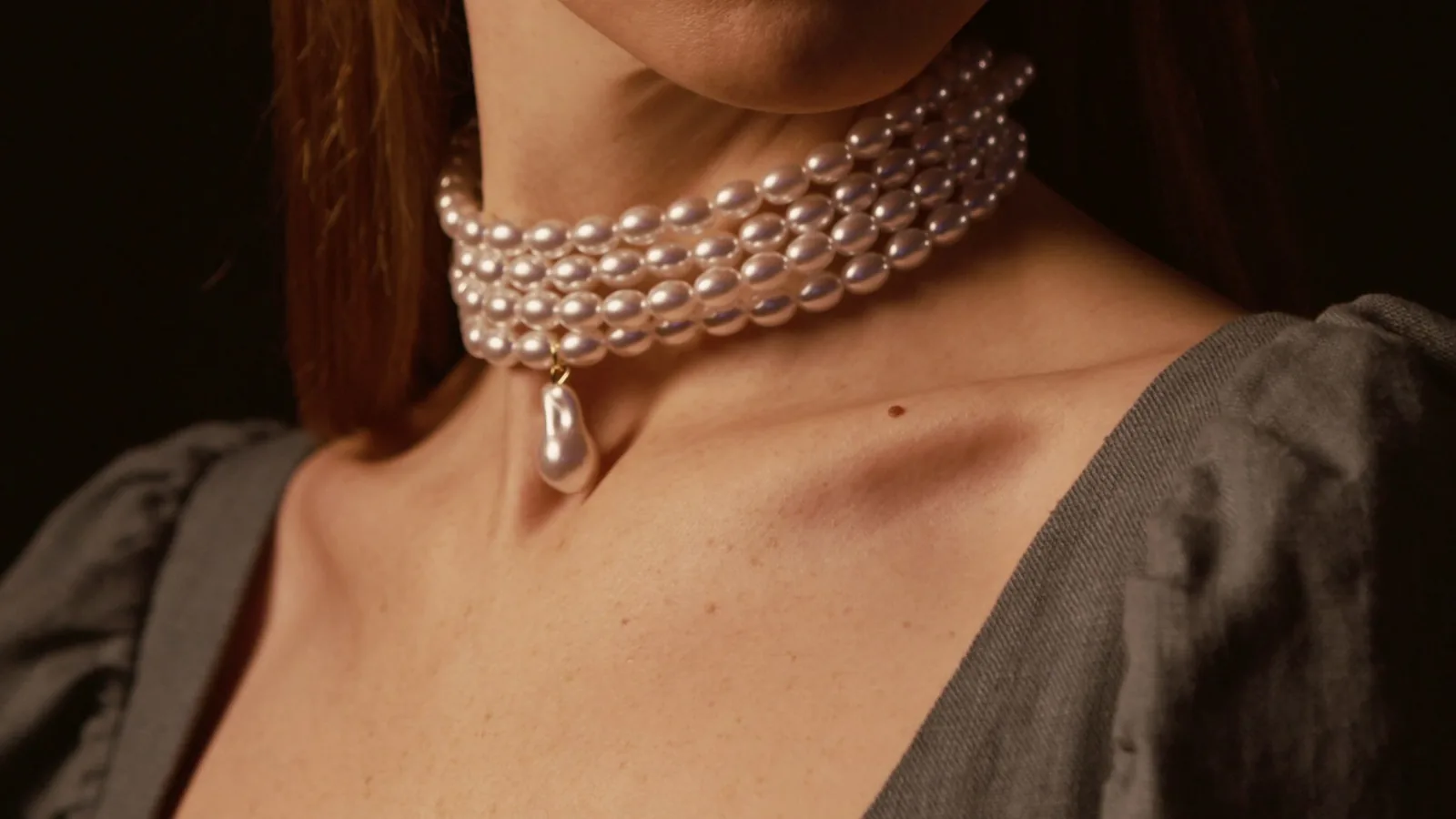
Learning how to wear jewelry well comes down to balance: a clear focal point, metal tones that work with your skin and outfit, and pieces sized to your frame. Most people over-layer or wear pieces that tangle, pinch, or fight the neckline. This guide walks you through the real-world rules so your jewelry looks intentional, not accidental.
Fast Answer
- Start with one focal point
- pick a necklace, earrings, or bracelet to lead, then keep the rest understated.
- Match scale to frame
- delicate pieces suit fine features; chunky ones suit bold features and structured outfits.
- Time needed
- 10–15 min
- Difficulty
- Easy
- Watch out for
- Metal allergies and tangling
Before You Start
- A mirror you can see your full upper body in, not just your face.
- Your current jewelry laid out flat so you can see what you actually own.
- An outfit already chosen. Jewelry is the last layer, not the first.
- A soft cloth, a small dish, and a clean sink area if you plan to try several pieces.
Step-by-Step Instructions
-
Pick one focal point before anything else
Decide which single area should draw the eye. Common choices are the neckline, the ears, the wrists, or the hands. If you want a bold statement necklace, keep earrings small and skip stacked bracelets. If you want dramatic earrings, wear a thin chain or no necklace at all.
This is the single habit that separates jewelry that looks styled from jewelry that looks like you grabbed everything at once. One clear focus reads as confident. Several competing focus points read as noise.
Tip: Stand back a few feet from the mirror. If your eye bounces between three spots, remove one piece.
-
Match the necklace to your neckline
Necklace length should follow the shape of your top, not fight it. A good rule: the pendant or center of the necklace should sit either just above the neckline or clearly below it. Land right on the edge and the whole thing looks off.
For a crew or high neck, choose a longer chain that drops past the collar. For a deep V or scoop, a chain that follows the V shape flatters most people. For a collared shirt, a short chain or a small pendant in the open collar works well.
Tip: Lay the necklace on the shirt before you put it on. This lets you see the length against the neckline without guessing.
-
Choose earrings that suit your face and hair
Studs and small hoops work with almost everything and never clash with a necklace. Drops and dangles add length, so they flatter round or square faces. Wide, round earrings add width, so they suit longer faces better than round ones.
Also think about your hair. If you wear it down and long, large earrings can get lost or tangled. Pulling hair back or tucking one side makes statement earrings visible and keeps them from catching.
Warning: Heavy drop earrings can stretch piercings over time. Save the heaviest pairs for short events and keep the hooks clean.
-
Layer without tangling
Layering works when you leave 2 to 3 inches (5 to 8 cm) between chain lengths. Two necklaces at the exact same length will twist together all day. Two at clearly different lengths sit flat and look deliberate.
Keep the layers in the same metal tone for an easy, clean look, or mix two tones on purpose if the pieces share a similar style. Mixing three or more tones is harder to pull off. Start with two.
Tip: Use a chain with a few jump rings or a small extender so you can adjust the gap by an inch or two.
-
Balance metal tones with your skin and outfit
There is no strict rule that says a certain skin tone can only wear gold or silver. Both work on most people. The trick is choosing a finish that flatters: warm undertones often look great in yellow or rose gold, while cool undertones often look great in silver or white gold.
More important than skin tone is contrast with your clothing. Jewelry stands out against a contrasting background and blends into a similar one. Silver on gray nearly disappears. Gold on cream is subtle. If you want a piece to be noticed, give it contrast.
Tip: Test a piece against your face in daylight near a window. Indoor light shifts how metal tones read.
-
Match scale and detail to the outfit
Fine, delicate jewelry suits flowy fabrics, small prints, and soft colors. Chunky or textured jewelry suits structured fabrics, bold solids, and big patterns. Match the level of detail so nothing looks weak or overwhelming next to the other.
A tiny pendant can look lost on a heavy coat, and a bold collar necklace can look heavy on a thin summer dress. Line the two up in your mind before you commit.
Tip: For very busy prints, keep jewelry simple. For plain fabric, you have room to add more detail.
-
Fit the piece to your body, not a trend chart
Necklaces, bracelets, and rings all have a real size, and size beats style. A necklace that sits at your collarbone on a tall frame may sit much lower on a shorter frame. A chunky bangle that looks relaxed on one wrist can pinch on another.
Check three numbers before you buy or rewear: chain length, bracelet wrist circumference, and ring size. If a ring slides off easily when your hands are cold, it is too loose. If it leaves a deep mark, it is too tight.
Warning: A too-tight ring can be hard to remove if your fingers swell. Size for your larger hand and for warm weather.
-
Place jewelry last and take it off first
Put on jewelry after your clothing, hair products, and perfume are done. Hairspray and lotion leave residue that dulls metal and builds up in small crevices. When the day ends, jewelry comes off before you wash up, shower, or clean.
Use a soft, dry cloth on each piece, then store items flat or hanging so chains do not knot. A simple jewelry dish or a felt-lined box protects finishes far better than tossing everything together in one bowl.
Tip: Keep a small pouch in your bag for the pieces you remove during the day. This prevents scratches and loss.
Quick Reference
| Use this | Why | |
|---|---|---|
| High or crew neck | A longer chain that drops past the collar | Avoids the awkward overlap at the neckline |
| Deep V or scoop neck | A chain that follows the V shape | Compliments the neckline instead of fighting it |
| Statement earrings | Thin chain or no necklace | Keeps one clear focal point at the ears |
| Busy, patterned outfit | Simple studs and one clean chain | Reduces visual clutter |
| Layering necklaces | Leave 2 to 3 inches (5 to 8 cm) between chains | Stops tangling and keeps each layer visible |
| Mixing metal tones | Start with two tones, same style family | Looks intentional without getting busy |
| Sensitive skin | Sterling silver, 14k gold, stainless steel | Lower risk of nickel reactions and itching |
| Sport or chores | Remove rings, bracelets, and long chains | Prevents dents, stretching, and loss |
Quick Summary: how to wear jewelry
If you remember nothing else, remember balance. Choose one focal point, then let the rest support it. Fit each piece to your real body measurements and the actual neckline of your outfit. Keep metal tones to two or fewer for an easy, put-together look.
The main caution is skin sensitivity and physical risk. Base metals can irritate skin, and heavy or loose pieces can catch, stretch, or fall off. When in doubt, choose fewer pieces that fit well over more pieces that do not.
Before You Start
This guide assumes you already own some jewelry and want to wear it better. No special tools or accounts are needed. You need a mirror, your pieces, an outfit to test against, and a soft cloth.
What You Need
- A full-length or upper-body mirror with natural light.
- A flat surface to lay out pieces side by side.
- A soft, lint-free cloth for wiping metal and stones.
- A small dish or pouch for storage and for pieces you remove.
- A measuring tape or ruler if you are checking chain, wrist, or ring size.
Safety, Timing, or Context Checks
- Check for metal allergies before wearing a new piece for a full day.
- Remove jewelry for workouts, cleaning, swimming, and showers.
- If a piece is a family heirloom or has loose stones, have it inspected before heavy wear.
- Be careful with rings if your hands swell in heat. Size for your larger hand.
How to how to wear jewelry
The method below is a repeatable routine. It works for a weekday outfit, a wedding, or a first date. Do it in the same order each time and you will make faster decisions and look more consistent.
Step 1: Start with the outfit, not the jewelry
Put on the actual clothes you plan to wear, including shoes. Jewelry looks different against a bare tank top than against the layered sweater you will actually wear. The fabric, the neckline, and the color all change what works.
This is why jewelry should be the last layer. If you pick jewelry first, you end up forcing pieces to work with an outfit they were never suited for.
Step 2: Pick your focal point
Choose one area to feature. If the outfit has a great neckline, lead with a necklace. If you have a new haircut or bold makeup, lead with earrings. If you are wearing short sleeves or a watch with meaning, a wrist stack can lead.
Once the focal point is chosen, downgrade everything else. Smaller earrings, a thinner chain, or a single ring. The contrast is what makes the focal point read clearly.
Step 3: Work out the neckline and chain length
Hold the necklace up to your chest with the outfit on. Aim for the pendant to sit cleanly above or below the fabric edge, not exactly on it. For most people, a choker sits at the base of the neck, a princess length sits just below the collarbone, and a matinee length drops toward the chest.
If a chain ends up at an awkward spot, an extender can fix it without buying anything new. If the chain still does not work with the neckline, choose a different piece for that outfit.
Step 4: Choose earrings based on visibility
Think about how your hair will fall. If it is down, small pieces may not show at all. Pull it back or pin one side if you want the earrings to matter. If your hair is up, you have more room for a larger shape.
For comfort, check the weight. A heavy earring pulls on the earlobe and can make the hole stretch over time. If a pair feels heavy in the first minute, it will feel worse by hour three.
Step 5: Layering without tangles
Lay two or three chains flat on a table. If they sit at the same length, they will twist. Adjust them so each layer has a clear 2 to 3 inch (5 to 8 cm) gap. This visual rhythm is what makes layered necklaces look styled instead of messy.
For bracelets, keep the stack to a similar metal and style, and avoid combining very fine chains with heavy cuffs on the same wrist if you move your hands a lot. Fine chains break under heavy pieces.
Step 6: Fit rings and bracelets correctly
Ring fit should be snug enough to stay on while your hands are cold, but loose enough to slide over the knuckle with slight resistance. A ring that spins freely is likely to slip off. A ring that leaves a deep mark should be resized or moved to another finger.
For bracelets, measure your wrist with a soft tape and add about 0.5 inch (1.3 cm) for a comfortable fit, or more if you want a loose drape. A bracelet that presses into your wrist all day is too tight.
Step 7: Check tone and contrast
Step back and look at the whole picture. Jewelry should either stand out or blend in on purpose. Silver on white, gold on tan, and dark stones on dark fabric all read as subtle. If you want attention on the piece, put it against a contrasting background.
You can also use tone to support the mood. Shiny metals read as formal or festive. Matte and oxidized finishes read as casual or earthy. Match the finish to the occasion.
Step 8: Do a final movement test
Turn your head side to side, raise your arms, and bend forward. Check that nothing pinches, catches, or swings into your face. Earrings that clip the phone, bracelets that clank on a desk, and necklaces that snag on buttons can all ruin a good look.
Make small adjustments now so you are not fussing with your jewelry all day. Then leave it alone. Constant readjusting looks less confident than a slightly imperfect but settled look.
Common Problems When You how to wear jewelry
Necklaces tangle. They are at the same length or the chains are too fine and too close. Add a 2 to 3 inch gap, or wear one instead of two.
Skin itches or turns green. Likely a base-metal reaction. Switch to sterling silver, 14k gold, or stainless steel, and keep the piece dry.
The look feels too busy. You have more than one focal point. Remove the piece you notice last and check again.
Earrings hurt or stretch the hole. They are too heavy or the hook is too thin. Save them for short wear and switch to lighter pairs for daily use.
A necklace sits in the wrong place. The length is wrong for the neckline. Use an extender or choose a different length.
Rings slip off or leave marks. The size is wrong. Get it resized or move it to a finger that fits better.
Metal looks dull. Lotion, soap, and hair products leave residue. Wipe with a soft cloth and store pieces dry and separate.
Advanced Tips for how to wear jewelry
- Build a small core set. One thin chain, one statement chain, studs, one pair of drops, one bracelet, and one or two rings will cover most outfits. Fewer, better-fitting pieces beat a crowded drawer.
- Use the rule of three. For a polished everyday look, wear three pieces total, such as earrings, a necklace, and a ring. It is enough to look finished without feeling heavy.
- Let one piece carry meaning. A single heirloom or handmade piece reads more personal than several trend items. It also gives you a clear focal point.
- Match hardware to hardware. If your bag, belt, or shoe buckles are gold, gold jewelry feels more cohesive. Mixing is fine, but choose it on purpose.
- Consider your day. Desk work, driving, and typing punish bracelets and long chains. Choose shorter pieces for those days and save long, swingy pieces for events.
- Shop by fit, then by look. A beautiful piece that is the wrong length or size will sit unworn. Check the measurements before you fall for the photo.
- Store to protect. Hang chains, lay flat stones, and keep pieces apart. Most jewelry damage happens in storage, not in wear.
Common Issues
If the result is not working as expected, return to the previous step, check the material or setting involved, and make one adjustment at a time for how to wear jewelry.
Final Checklist for how to wear jewelry
- Outfit on first, jewelry last.
- One clear focal point chosen.
- Necklace sits above or below the neckline, not on it.
- Earrings match the mood and do not pull on the lobe.
- Layered chains have a 2 to 3 inch (5 to 8 cm) gap.
- Rings and bracelets fit properly and do not pinch or slip.
- Metal tones limited to two for a cleaner look.
- Movement test done: no pinching, snagging, or swinging.
- Pieces wiped clean and stored dry and separate.
Your next step is simple. Lay out three to five of your favorite pieces, pick one outfit, and run through the steps above once. After two or three practice rounds, you will know your best chain length, your most comfortable earrings, and your go-to focal point. That routine is what turns jewelry you own into jewelry you actually wear.
How To Wear Jewelry FAQ
How many pieces of jewelry should I wear at once?
There is no fixed number, but one focal point plus two supporting pieces is a safe, polished default. Three to four pieces total works for most outfits. More than that needs a clear plan, or it starts to look cluttered.
Should earrings and a necklace match?
They do not have to match exactly, but they should agree in metal tone and style. A delicate chain with bold statement earrings can work if the earrings are clearly the star. Random pairing usually looks unintentional.
Can I wear gold and silver together?
Yes. Two tones usually look fine, especially if the pieces share a similar shape or level of detail. Mixing three or more tones gets busy, so start with two and see how it reads in the mirror.
What jewelry is safe for sensitive skin?
Sterling silver, 14k gold or higher, stainless steel, and pieces clearly labeled nickel-free are your best options. If you are not sure, test the piece for a short time before wearing it all day.
How do I stop necklaces from tangling?
Keep each chain at a different length with 2 to 3 inches (5 to 8 cm) between them, use pendants that are not too heavy for fine chains, and store them hanging or separately. If they still tangle, two layers may be your limit.
When should I take my jewelry off?
Before showering, swimming, cleaning, sleeping, and exercising. Water and chemicals speed up tarnish and loosen stones. Removing pieces also protects them from bending and stretching.
How do I know if a ring fits?
It should slide over your knuckle with slight resistance and stay on without spinning freely when your hands are cold. If it leaves a deep mark or is hard to remove, it is too tight. If it falls off easily, it is too loose.
Related articles
Dress Shirt How To Measure
A practical step-by-step guide to dress shirt how to measure, including preparation, instructions, common issues, tips, and next steps.

High Heels How To Walk
A practical step-by-step guide to high heels how to walk, including preparation, instructions, common issues, tips, and next steps.
How To Dress For Your Body Type
A practical step-by-step guide to how to dress for your body type, including preparation, instructions, common issues, tips, and next steps.