
Platinum vs White Gold: Which Should You Choose?
A practical head-to-head comparison of Platinum and White Gold, covering quick verdict, key differences, category winners, buyer fit, and FAQ.
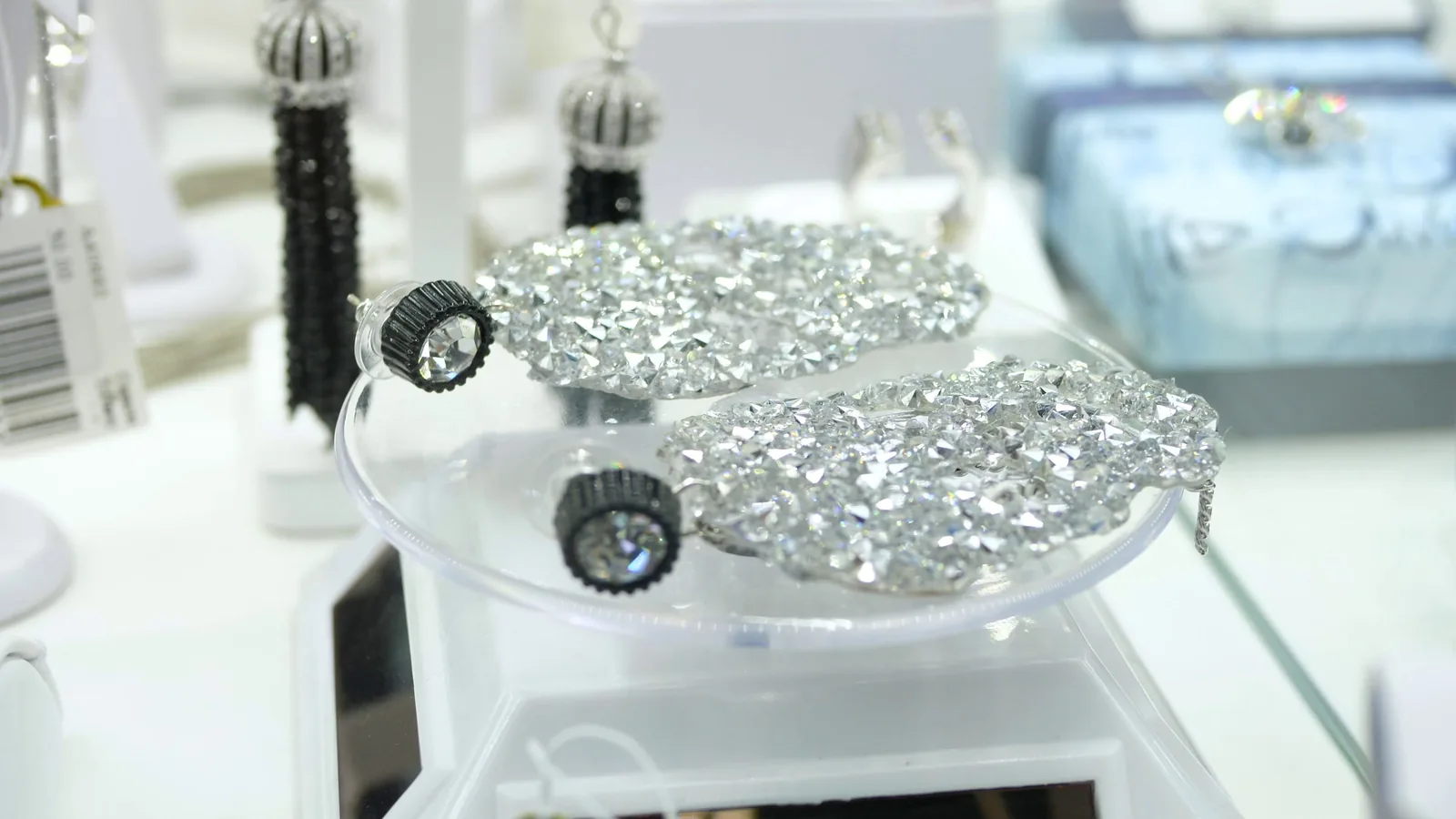
White gold wins when you want a brighter, more mirror-like finish at a lower cost for the same visual size, or when you plan to re-plate the finish every year or so. The deciding trade-off is simple: platinum trades brightness and budget for longevity and low maintenance.
This comparison is based on product research, official material guidance from the World Gold Council and GIA, public buyer feedback patterns, and editorial analysis. We have not personally tested these metals side by side, so treat the scorecard as a decision framework, not lab data.
The real decision is about what you will tolerate over time. Platinum is dense, holds its shape, and develops a soft patina instead of losing material through plating wear. White gold is lighter, usually plated with rhodium for whiteness, and needs that plating refreshed to keep its original look. Neither is objectively "better" — they solve different problems.
| Platinum (88%) | White Gold (82%) | |
|---|---|---|
| Best fit | heirloom pieces, daily-worn rings, allergy-prone skin | budget-conscious shoppers who want maximum visual size |
| Strength | dense, low-maintenance, holds settings securely over time | bright, reflective finish at a lower price point |
| Trade-off | softer-looking patina and a higher upfront cost | rhodium plating typically needs periodic re-plating |
Head-to-Head Scorecard
Platinum leads
- Long-term wear
- Does not wear away through plating loss
- Setting security
- Dense metal grips stones firmly for years
- Allergy-friendly
- Commonly 90–95% pure platinum
- Maintenance
- No re-plating; only occasional re-polish
White Gold leads
- Upfront cost
- Lower price for the same finger coverage
- Finish brightness
- Rhodium plating looks whiter and shinier
- Weight comfort
- Lighter on the hand in larger designs
- Design flexibility
- Easier to work into intricate, lightweight settings
Material composition and purity
Platinum jewelry is typically alloyed at 90%, 95%, or 99% purity, which is why it carries a naturally white tone without surface plating. White gold is yellow gold alloyed with white metals such as palladium, silver, or nickel, then often finished with rhodium plating to achieve its bright white look. The World Gold Council notes that gold fineness must be marked on gold jewelry in many markets, but in the US that requirement is not universal — so you cannot assume an unstamped piece is lower quality, only that the number is not visible. Karat tells you the gold content, not the hardness or allergen profile, because those depend on the alloy metals used. That distinction matters more than the karat number itself when you compare two white metals.
Surface finish and appearance over time
White gold's signature brightness comes from rhodium, a hard, reflective white metal. That plating is usually not permanent. In everyday wear, the rhodium layer can thin at high-contact points like the bottom of a band, at which point the warmer undertone of the underlying gold alloy starts to show through. Platinum does not rely on a plated layer. Instead, it develops a soft, matte-gray patina as fine surface scratches blend together. Some wearers dislike that duller look; others prefer it. Either way, refurbishing platinum typically means polishing the metal itself rather than rebuilding a coating, which is why it holds its finish logic over a longer horizon. Neither metal is scratch-proof — platinum scratches and dents too, just usually without losing material.
Durability and stone security
Platinum is denser than white gold, so a platinum setting feels heavier and tends to hold stones more firmly. In thin prongs and small accent settings, that grip is a genuine long-term advantage: platinum prongs are less likely to bend or wear down at the tips. White gold is harder than platinum in many common alloys, which makes it more resistant to surface scratches, but a hard, lightweight prong can still wear thin over years and eventually need retipping. The practical takeaway is that karat alone does not determine durability — a well-constructed 14k white gold piece can outlast a poorly made platinum one. Construction quality and prong thickness matter as much as the metal name.
Routine fit
Routine fit is about how the metal behaves in daily life. Platinum is heavier, which some people read as reassuring and others find noticeable by the end of the day. It is also a good match for people who dislike maintenance and would rather not think about reapplying a coating. White gold fits a routine that includes occasional trips to a jeweler for a quick re-plate, which many people treat as routine upkeep. If you already remove rings for hand washing, gym sessions, or cleaning, both metals are easy to live with. If you never take your ring off, platinum's low-maintenance behavior reduces the number of tasks on your calendar. For anyone with a metal sensitivity concern, platinum's commonly high purity makes it a lower-risk default, though you should confirm the specific alloy if you have a known nickel allergy.
Formula or feature winner
Here the "formula" is the metal blend itself. White gold is a flexible recipe: a jeweler can adjust alloy percentages to shift color temperature, hardness, and casting behavior. That flexibility lets brands produce lighter, more intricate designs and hit lower price points. Platinum's recipe is more rigid, usually 90–95% pure, which limits how much designers can adjust working properties but gives a consistent, naturally white result. GIA's guidance on choosing a white metal underlines that the alloy and construction decide real-world behavior, not just the karat stamp. In feature terms, white gold offers a wider range of possibilities; platinum offers a more guaranteed baseline.
Ease of use
Both metals are easy to wear; the difference is in care. White gold is easy to clean at home with warm water, mild soap, and a soft brush, but its bright white look depends on plating that a jeweler must refresh. Platinum is also easy to clean the same way, and small scratches can often be buffed out by a jeweler without rebuilding a surface layer. Sizing is a consideration too: both can be resized, but platinum's higher melting point makes it more demanding for the bench jeweler, which can mean fewer shops willing to handle it and sometimes higher service pricing. For the person doing the wearing, neither is difficult. For the person servicing the piece, platinum asks more of the workshop.
Value winner
Value is not the same as price. Platinum usually costs more upfront for the same design because the raw metal is more expensive and denser (so more grams are used), and because working it takes more shop time. But that higher cost can be offset over the years by not paying for periodic rhodium plating and by losing less material to wear. White gold delivers more visual size and sparkle per dollar at the moment of purchase, which is why it dominates entry and mid-range bridal jewelry. Decide what "value" means for your timeline: lowest cost today (white gold) or lowest total care over a long ownership period (platinum). This is an editorial comparison, not investment advice, and we make no claims about resale returns.
Buyer confidence winner
Confidence comes from knowing what you bought. With platinum, the "PT950" or "PLAT" stamp tells a fairly consistent story, and the metal's natural whiteness means what you see is what stays. With white gold, confidence depends on knowing the karat, the alloy, and whether the piece is rhodium plated. A 14k or 18k stamp helps, but it does not promise hardness or hypoallergenic performance, and a plated finish means the bright look has an expiration date you cannot see from the outside. Ask the seller directly: what alloy, is it plated, and what is the recommended care interval? Buyers who get clear answers tend to be happier with either metal, because their expectations match reality.
Choose Platinum If
- You want a piece you will wear daily for decades and would rather avoid recurring maintenance.
- You have sensitive skin and want the lower-allergy-risk profile of a commonly 90–95% pure metal.
- Your design uses thin prongs or small accent stones where a firm, dense setting adds real security.
- You like the soft, lived-in patina that polished platinum develops, or you do not mind an occasional re-polish.
- You are comfortable paying more now for lower long-term care and material loss over time.
Choose White Gold If
- You want the brightest, whitest look right out of the box and a mirror-like finish.
- You are working within a budget and want the largest, most detailed design your money can buy.
- You prefer a lighter ring, especially in wider bands or elaborate settings.
- You are fine with periodic rhodium re-plating as normal upkeep.
- You want maximum design variety from independent and boutique makers, who often work more easily in gold alloys.
Final Verdict: Platinum vs White Gold
Platinum takes the overall win for a long-term, low-maintenance piece. Its natural white color, denser structure, and setting security make it the more forgiving choice for everyday wear and for anyone who dislikes upkeep. White gold wins on brightness, weight, design flexibility, and upfront cost, which is why it remains the practical pick for most budget-conscious shoppers and for anyone who wants maximum sparkle per dollar. If you plan to keep the piece for life and rarely want to think about it, choose platinum. If you want the brightest look today and do not mind a plating refresh down the road, white gold is the smarter buy. Either way, confirm the alloy, the plating, and the care expectations before you commit — that single step prevents most post-purchase disappointment.
Platinum vs White Gold: Which Should You Choose? FAQ
Is platinum better than white gold?
Not universally. Platinum is better for long-term wear, low maintenance, and stone security in thin settings. White gold is better for budget, brightness, lighter weight, and design variety. The right answer depends on your timeline and how much upkeep you will actually do.
Does white gold need rhodium plating?
Often, but not always. White gold is frequently rhodium plated to make it whiter and more reflective. Some alloys are formulated to look acceptably white without plating, and some designs skip it intentionally. Ask the seller whether the specific piece is plated.
Is white gold hypoallergenic?
Not automatically. Karat alone does not guarantee hypoallergenic performance. Reactions usually come from specific alloy metals such as nickel, so the alloy composition matters more than the karat number. If you have a known sensitivity, confirm the alloy or lean toward platinum.
Which metal is harder, platinum or white gold?
White gold alloys are often harder and more scratch-resistant at the surface, while platinum is denser and tends to hold settings more securely. Hardness does not equal durability in every context, and construction quality frequently matters more than the metal name.
Is gold fineness always stamped in the US?
No. The World Gold Council explains that fineness marking requirements vary by market, and in the US a stamp is not universal. An unstamped piece is not proof of lower quality — it just means the number is not visible on the item.
Does platinum or white gold hold its value better?
We do not give investment advice. Precious metal prices move, and resale depends on condition, design, brand, and market demand. Buy the metal that suits how you will actually wear and care for the piece.
Which looks whiter, platinum or white gold?
A freshly rhodium-plated white gold piece usually looks the brightest and whitest. Platinum has a naturally white but slightly grayer tone that stays consistent without plating. If maximum whiteness is the goal, white gold with fresh plating wins.
Related articles
10k Gold vs 14k Gold: Which Should You Choose?
A practical head-to-head comparison of 10k Gold and 14k Gold, covering quick verdict, key differences, category winners, buyer fit, and FAQ.
18k vs 14k Gold: Which Should You Choose?
A practical head-to-head comparison of 18k and 14k Gold, covering quick verdict, key differences, category winners, buyer fit, and FAQ.

Blazer vs Suit Jacket: Which Should You Choose?
A practical head-to-head comparison of Blazer and Suit Jacket, covering quick verdict, key differences, category winners, buyer fit, and FAQ.