
Polarized vs Non Polarized Sunglasses: Which Should You Choose?
A practical head-to-head comparison of Polarized and Non Polarized Sunglasses, covering quick verdict, key differences, category winners, buyer fit, and FAQ.
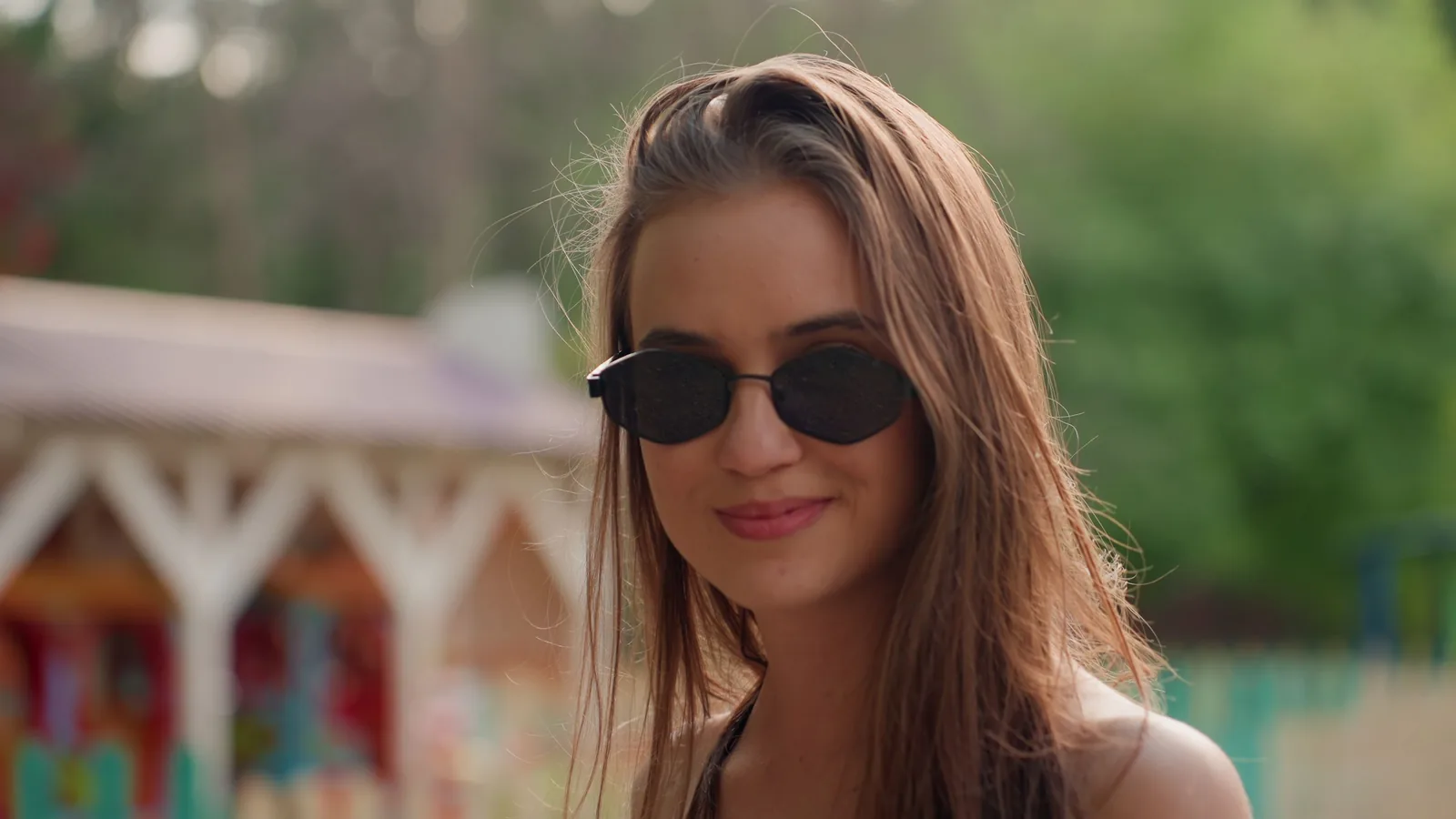
Non polarized lenses remain the smarter pick if you fly often, ski on snow, drive a car with a head-up display, or need the lowest possible price while still getting solid UV protection.
This comparison is based on official lens documentation, published optical standards, public buyer feedback patterns, and editorial analysis of how both lens types perform in real conditions. No lab testing was performed for this article.
The deciding trade-off is simple: polarization filters horizontal glare from water, roads, and snow, but that same filter can clash with digital screens, HUD windshields, and certain aircraft instruments. Whether that matters depends entirely on where you wear your sunglasses.
| Polarized (88%) | Non Polarized Sunglasses (79%) | |
|---|---|---|
| Best fit | beach, boat, lake, highway driving, daily bright-sun use | pilots, skiers, screen-heavy users, budget shoppers, lens-color purists |
| Strength | kills horizontal glare, deepens color contrast, eases eye strain | no screen or instrument conflicts, often lower price, true color perception |
| Trade-off | costs more and can interfere with screens, HUDs, and some cockpit displays | glare off water and pavement hits the eye unfiltered, which fatigues faster |
Head-to-Head Scorecard
Polarized leads
- Glare reduction
- Filters horizontal reflections off water, roads, and snow
- Eye comfort in bright sun
- Less squinting and fatigue over long outdoor stretches
- Water and snow use
- The clearest visual advantage in reflective environments
- Color and contrast depth
- Scenery reads richer, especially greens and blues
Non Polarized Sunglasses leads
- Screen compatibility
- No darkening or blackout on phones, dashboards, and HUDs
- Aviation and instrument use
- Reads cockpit displays and certain gauges reliably
- Price and availability
- Common at every budget, including very low price points
- Color accuracy
- Shows truer color without the polarization tint shift
Glare Reduction and Eye Comfort
This is the whole reason polarized lenses exist. A polarized filter is a chemical film laminated into the lens that blocks light waves vibrating on the horizontal plane. That is the exact orientation of glare bouncing off water, wet asphalt, car hoods, and snow. Non polarized lenses only darken everything uniformly, so the glare is dimmed but still present.
In practice, the difference shows up after 30 to 60 minutes outdoors. On a lake or a long highway drive, polarized wearers report noticeably less squinting and fewer headaches by late afternoon. Non polarized wearers get UV protection, which matters for eye health, but they still absorb the full glare load. For anyone spending real time near water or behind a windshield in summer, this gap is hard to argue with.
Screen, Dashboard, and Instrument Compatibility
Polarization has a real downside. LCD screens emit polarized light, so when you tilt a phone, a car infotainment display, or a digital dashboard while wearing polarized lenses, the screen can go dark, rainbow-tinted, or unreadable at certain angles. Many modern cars now use head-up displays that project onto the windshield, and those are frequently washed out or invisible through polarized lenses.
Aviation is the classic caution here. Many cockpit instruments and glass panels have historically been problematic with polarized lenses, which is why a large share of pilot-oriented sunglasses are non polarized. Skiers face a similar nuance. Some snow-sport lenses are polarized for glare control, but others deliberately avoid it so you can read snow texture and ice patches clearly. Non polarized removes every one of these conflicts. If your day involves screens or instruments, this is the deciding factor.
UV Protection and Eye Health
Here is the fact that surprises most shoppers: polarization and UV protection are unrelated. Polarization is about glare. UV protection is about blocking ultraviolet radiation, which is what actually damages the eye over time. You can buy a cheap non polarized lens with full UV400 protection, and you can buy a polarized lens with weak UV blocking if the brand is careless.
What matters is the label. Look for 100% UV or UV400 protection regardless of which side you choose. The one real risk is a dark lens with poor UV blocking, since it opens the pupil wider and lets more UV in than wearing nothing. Both polarized and non polarized lenses can be excellent or poor on this measure. Do not let polarization marketing convince you that UV safety is included by default.
Optical Clarity and Color Accuracy
Non polarized lenses are effectively neutral tinted glass or polycarbonate. What you see is close to true color, which is why photographers, color-matching professionals, and some outdoor workers prefer them. Polarized lenses alter color slightly, often deepening blues and greens and warming the scene. Many people find that pleasing, but it is a shift, not a neutral view.
Clarity itself depends far more on lens material and coating than on polarization. A well-made polarized lens from a reputable optical brand can be razor sharp, and a cheap non polarized lens can distort at the edges. The honest read is that polarization changes character more than it changes sharpness. If you want the truest color and most neutral view, non polarized has the edge. If you want scenery to pop, polarized usually reads better.
Price and Availability
Adding a polarization layer costs money. Across the market, the same frame model often carries a modest premium for the polarized version, and that gap widens at higher price points. Non polarized lenses are available at every budget, from gas-station basics to handmade acetate frames from small workshops, with no polarization upcharge anywhere.
That said, polarized lenses have gotten cheaper. Decent polarized options now exist well below premium pricing, so the old assumption that polarization means spending a lot no longer holds. The smarter framing is this: if you are buying one pair for bright-sun glare, the polarized premium is usually worth it. If you are buying multiple pairs for style rotation, non polarized lets you get more looks for the same money.
Frame Choice, Fit, and Style Range
Polarization does not limit which frames you can wear. Independent makers now offer polarized lenses in handmade acetate, titanium, and bio-based frames, so you are not stuck choosing between performance and design. The real constraint is lens availability: some small-batch and vintage-style frames ship non polarized only, which can quietly push you toward that side if you fall in love with a specific shape.
Fit is the same story on both sides. Nose bridge width, temple length, and lens curvature drive comfort more than the lens filter does. A poorly fitting polarized pair will still slide and pinch, and a well-fitted non polarized pair will feel invisible all day. Try before you commit, or buy from a maker with a clear fit guide and an easy return path.
Durability and Care
The polarized film sits inside the lens, so it is not exposed to normal wear. It generally lasts as long as the lens does. The failure mode to know about is heat. Leaving polarized lenses on a hot car dashboard for extended periods can, in some cases, cause the film to delaminate or craze. Non polarized lenses do not have this specific vulnerability, though they share the same scratch and coating risks.
Care is identical otherwise. Rinse before wiping, use a microfiber cloth, and store in a case. Neither side is fragile if treated well. The one caution worth repeating is heat, and it applies most to cheaper polarized lenses where the lamination quality is lower. Non polarized lenses are marginally more forgiving in extreme heat scenarios.
Choose Polarized If
- You spend real time on or near water, whether boating, fishing, kayaking, or just beach days.
- You drive long highway stretches in bright sun and want less glare off pavement and other cars.
- You want everyday sunglasses that handle summer glare with minimal squinting and eye strain.
- You ski or snowboard and prefer strong glare control over reading fine snow texture.
- You want scenery to look richer and more contrasty, and you do not mind a slight color shift.
- You are buying one solid pair and want it to cover the widest range of bright outdoor conditions.
Choose Non Polarized Sunglasses If
- You fly, or you rely on cockpit instruments that read poorly through polarized lenses.
- You drive a car with a head-up display that washes out under polarization.
- You are constantly on your phone or a dashboard screen outdoors and hate the blackout effect.
- You want the truest possible color and a neutral view of the world.
- You are shopping on a tight budget and want maximum UV protection per dollar, or buying multiple style pairs.
- You have fallen for a specific handmade frame that only ships with non polarized lenses.
Buyer Confidence and Decision Ease
Polarized is the easier default for most people. If you are unsure, do not know your use case, and just want a pair for sunny weekends, polarized is the safer bet and rarely disappoints. The feedback pattern that stands out is regret in the other direction: shoppers who buy polarized, then discover their car HUD or phone screen looks wrong, wish they had known earlier.
Non polarized requires a little more self-knowledge, but once you know your constraints, it is a confident, no-surprises choice. It is also the honest pick for anyone who values UV protection and budget over glare filtering. Neither side has a meaningful quality advantage at a given price point, so the decision really is about use case, not brand.
Final Verdict: Polarized vs Non Polarized Sunglasses
Polarized wins overall because glare reduction is the single clearest, most useful advantage in everyday outdoor life, and it applies to most people most of the time. If you spend sunny days near water, on the road, or in open bright environments, polarized lenses will feel like a genuine upgrade over ordinary tinted lenses.
Non polarized is not the lesser choice, though. It is the correct choice for pilots, frequent screen users, HUD drivers, budget shoppers, and anyone who wants neutral color or a specific frame that only comes unpolarized. The real mistake is buying out of habit without checking whether your daily conditions involve screens or instruments.
Both sides share the same non-negotiable: confirm UV400 protection before you buy, because that is what protects your eyes. Polarization only decides how comfortable the view feels along the way.
Polarized vs Non Polarized Sunglasses: Which Should You Choose? FAQ
Are polarized sunglasses better than non polarized?
Not universally. Polarized lenses reduce glare from water, roads, and snow, which makes them better for most bright outdoor use. Non polarized lenses are better when you need to read screens, dashboards, head-up displays, or cockpit instruments, and they usually cost less for the same UV protection.
Do polarized sunglasses protect against UV rays?
Only if the lens is labeled UV400 or 100% UV protection. Polarization and UV blocking are separate technologies. A polarized lens without UV protection is possible, so always check the label regardless of which type you buy.
Why do my polarized sunglasses make my phone screen look black?
Phone and dashboard screens emit polarized light. When your polarized lens filter aligns against that light at certain angles, the screen darkens or shows a rainbow tint. Tilting the phone usually restores visibility. Non polarized lenses do not have this issue.
Can pilots wear polarized sunglasses?
Many pilots avoid them because polarized lenses can interfere with reading cockpit displays and certain instrument glass, and they can reduce the visibility of other aircraft against a bright sky. Non polarized sunglasses are the standard recommendation in aviation.
Are polarized lenses worth the extra cost?
For anyone dealing with glare from water, highways, or snow, yes. The comfort difference is noticeable within an hour of outdoor use. If you mostly wear sunglasses for short errands or you need screen compatibility, save the money and buy non polarized with good UV400 protection.
Do polarized lenses break down over time?
The polarized film is laminated inside the lens, so it usually lasts as long as the lens does. Extended exposure to high heat, such as leaving them on a hot dashboard, can sometimes cause the film to delaminate or craze, especially on lower-cost lenses. Normal care with a case and microfiber cloth prevents most issues.
Which type is better for driving?
Polarized is usually better for highway driving because it cuts glare off pavement, hoods, and other vehicles, which reduces eye fatigue. The exception is cars with head-up displays, which can wash out under polarized lenses. If you have a HUD, choose non polarized.
Related articles
10k Gold vs 14k Gold: Which Should You Choose?
A practical head-to-head comparison of 10k Gold and 14k Gold, covering quick verdict, key differences, category winners, buyer fit, and FAQ.
18k vs 14k Gold: Which Should You Choose?
A practical head-to-head comparison of 18k and 14k Gold, covering quick verdict, key differences, category winners, buyer fit, and FAQ.

Blazer vs Suit Jacket: Which Should You Choose?
A practical head-to-head comparison of Blazer and Suit Jacket, covering quick verdict, key differences, category winners, buyer fit, and FAQ.