
White Gold vs Silver: Which Should You Choose?
A practical head-to-head comparison of White Gold and Silver, covering quick verdict, key differences, category winners, buyer fit, and FAQ.
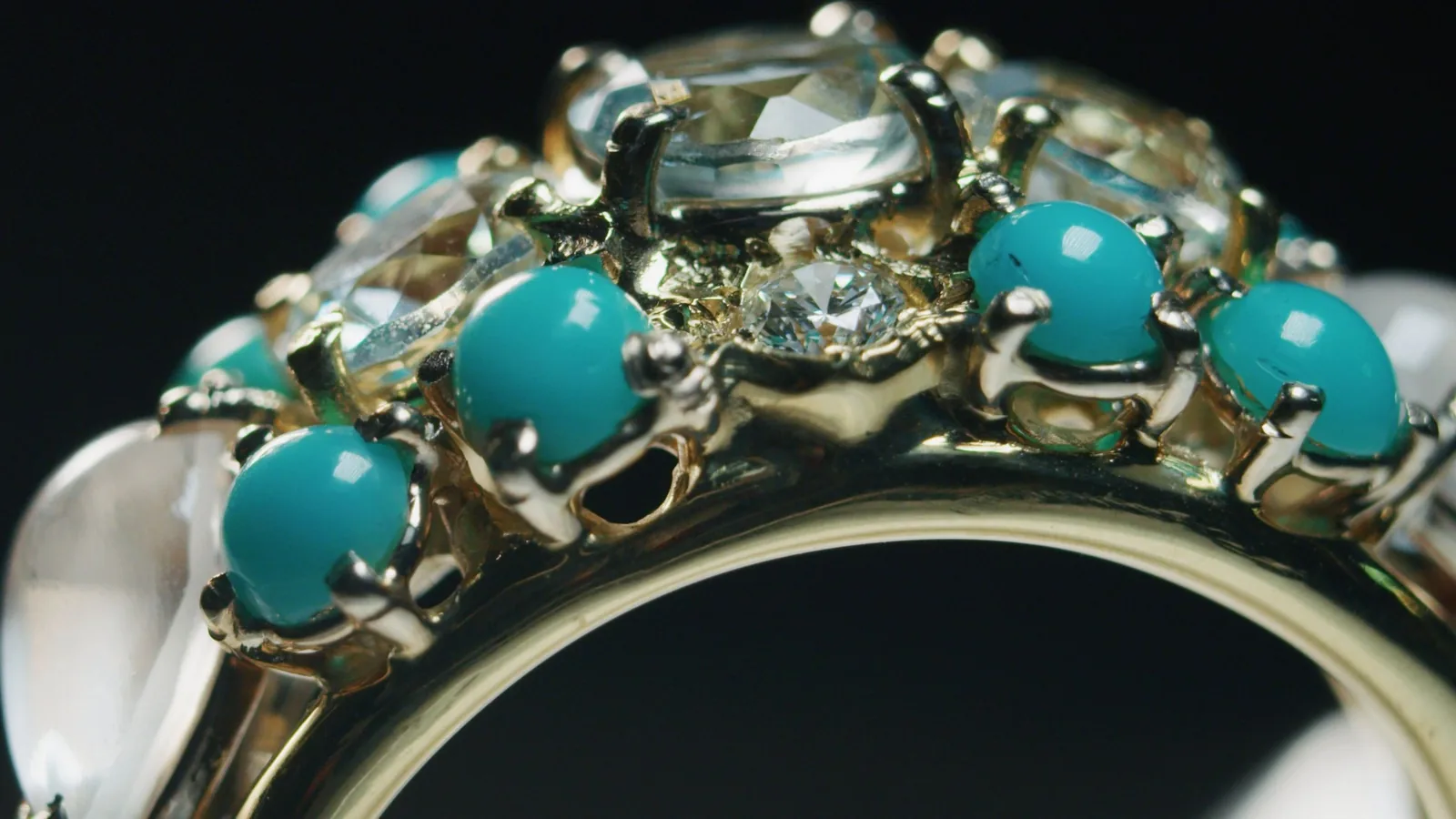
Choose silver instead if budget and pure cool-white color matter more than dent and tarnish resistance — sterling is a genuinely beautiful, honest metal for the money when you understand its care needs.
This comparison draws on public information from the World Gold Council on gold fineness and hallmarking, GIA's guidance on choosing a white metal, published alloy specifications, and recurring buyer-feedback patterns — not on lab testing we ran ourselves.
The deciding trade-off is simple: white gold buys durability and a color that stays bright with maintenance; silver buys a whiter natural tone and a lower entry cost, but it tarnishes, scratches, and dents more readily. Neither is a "fake" version of the other, and karat stamps alone don't tell you how a piece will actually wear.
| White Gold (88%) | Silver (76%) | |
|---|---|---|
| Best fit | engagement rings, wedding bands, and daily-wear fine jewelry | fashion jewelry, statement pieces, and rotation pieces worn a few days a week |
| Strength | gold alloy resists tarnish and holds shape and prongs over years of wear | bright natural white tone with no plating, at a fraction of the cost |
| Trade-off | higher cost, and often a rhodium plating that needs re-plating over time | tarnishes and scratches, and softer metal means dents and wear over time |
Head-to-Head Scorecard
White Gold leads
- Durability
- Gold alloy resists deformation and tarnish far better in daily wear
- Long-term wear
- Holds prongs, edges, and polish through years of routine use
- Precious-metal status
- Gold content gives it higher intrinsic material value
- Hypoallergenic options
- Nickel-free alloys exist, though not guaranteed by karat alone
- Resale expectations
- Generally better material recovery value, though not an investment
Silver leads
- Upfront cost
- Much lower entry price for comparable visual size
- Natural whiteness
- No plating, so no re-plating cycle needed
- Design freedom
- Low cost encourages bold, trend-led, or oversized pieces
- Low-commitment styling
- Easy to collect multiples and swap by outfit
- Repair feasibility
- Straightforward to polish and re-finish at low cost
White Gold vs Silver: Key Differences
White gold and silver look similar in a display case, but they are different metals with different care realities. White gold is gold — typically 10K, 14K, or 18K — mixed with white-toned alloys such as palladium, nickel, or silver, then often finished with rhodium plating for that bright, mirror-white surface. The World Gold Council notes that gold fineness indicates the proportion of gold in an alloy, and that in the US, fineness marking is not universally required on the piece itself. So a lack of a stamp doesn't automatically mean the piece isn't gold, and a stamp alone doesn't tell you how the alloy will wear.
Silver in jewelry almost always means sterling silver at 92.5% purity, alloyed with copper for strength. Pure silver is too soft for most wearable pieces on its own. GIA's guide to white metals explains that these white metals differ in hardness, color, and maintenance needs — and that rhodium plating is a common finish, not a permanent property. That single fact explains most of the practical difference between the two metals.
Neither metal is "better" in the abstract. A silver piece that fits your life and budget beats a white gold piece you're afraid to wear. The comparison that matters is about wear patterns, maintenance, and what you expect from the piece in five years.
Routine Fit Winner
Routine fit is about how a metal behaves when worn every day — at a desk, at the gym, through hand-washing. White gold's gold content gives it a clear edge. It resists tarnish chemically, holds its shape, and keeps prongs and edges intact through years of handling. Sterling silver is the opposite: it tarnishes as it reacts with sulfur compounds in air and on skin, and it scratches and dents more easily because it's softer. For a piece worn daily and rarely removed — an engagement ring, a wedding band, a signature pendant — white gold asks less of you. For a piece that rotates through a collection, silver's maintenance needs are manageable and rarely inconvenient.
Formula or Feature Winner
This category is about what's actually inside the metal. White gold's "formula" is an alloy — a specific blend of gold with white metals. That blend matters. Two 14K white gold rings can behave differently depending on whether the alloy leans on nickel, palladium, or silver, and whether the piece is rhodium plated. Karat does not guarantee hardness or hypoallergenic performance; alloy composition and construction do. A well-built 14K ring from a maker who specifies the alloy and plating will generally outperform a higher-karat piece with a weaker alloy. Silver's formula is simpler and more predictable: 92.5% silver, 7.5% copper, and no plating in most cases. That predictability is a genuine feature — what you see is what stays. But it also means silver has no engineered protection against the two things that age it most: tarnish and surface wear.
Ease of Use Winner
Ease of use covers daily care, travel, and how forgiving the metal is if you forget it's on. Silver wins here on simplicity. A sterling piece can be polished with a cloth or a dip, and there's no plating to worry about wearing through. It does need more frequent attention — tarnish appears faster in humid or polluted air — but that attention is cheap and easy. White gold has a specific maintenance ritual: if it's rhodium plated (often, but not universally), that plating wears down over months or years and needs re-plating to restore the bright white finish. Re-plating is routine for a jeweler but it's still a recurring task and cost. For someone who wants to put a piece on and truly forget about it, silver's simpler care wins — as long as they accept more frequent polishing.
Value Winner
Value depends on what you're buying. Upfront, silver wins clearly: a sterling piece costs a fraction of a comparable white gold piece, which means more design per dollar and more room to experiment. Long-term, white gold can offer better value for a piece you'll wear daily for decades, because its material value is higher and its wear pattern is slower. It's not an investment — resale on jewelry is generally poor, and we'd caution against buying either metal for appreciation. The honest framing: silver is better value for rotation and trend pieces; white gold is better value for a single piece you'll wear constantly and want to last.
Buyer Confidence Winner
Buyer confidence is about knowing what you're getting. Silver is more transparent: the 925 stamp is a reliable indicator of sterling, and the metal's behavior is predictable. White gold is more variable. Hallmarking rules differ by market — in the US, fineness need not be stamped on the piece itself, so some white gold is unmarked, which can create doubt. And because white gold is often rhodium plated, the color and finish you see at purchase may change with wear. None of that is a red flag if you buy from a maker who specifies the karat, alloy, and plating. It does mean white gold rewards asking better questions before you buy. If you want the metal to be exactly what it appears to be with no variables, silver is the more self-explanatory choice.
Color and Plating Winner
On color, silver wins outright. It's naturally the whitest of the two. White gold, on its own, usually has a slightly warmer, greyer or yellower cast depending on its alloys, and that's exactly why rhodium plating is so common — it pushes the surface toward a bright, cool white. When that plating wears, the piece reveals a subtly warmer tone underneath until it's re-plated. That said, some wearers actually prefer the unplated white gold tone as it returns, and unplated white gold is a deliberate choice for people who want to avoid plating cycles. If you love the coolest, brightest white and want it to stay that way without maintenance, silver wins. If you want that same bright look in gold and don't mind occasional re-plating, white gold gets there.
Skin Sensitivity Winner
This one is closer than the marketing suggests. Silver in a standard 925 alloy can still cause reactions in some people because the copper in the alloy, and the tarnish it develops, can irritate skin. White gold isn't automatically safe either — karat doesn't guarantee hypoallergenic performance, and some white gold alloys use nickel, a common allergen. The better answer is to look past the metal category and at the specific alloy: palladium-white gold and nickel-free white gold are better bets for sensitive skin, and rhodium plating adds a barrier on top of that. Buying from makers who state their alloy composition will help you far more than choosing based on the metal name. If white gold is plated and you're sensitive, keep in mind the exposed base metal as plating wears could become an issue.
Choose White Gold If
- You're buying an engagement ring, wedding band, or a piece you'll wear daily for years.
- You want prongs and settings that stay tight and hold stones securely through daily knocks.
- You're comfortable with occasional rhodium re-plating to maintain the bright white finish.
- You want higher intrinsic material value and a piece that feels and wears like fine jewelry.
- You have sensitive skin and can confirm the alloy is nickel-free.
- You're buying one considered piece rather than several trend pieces.
Choose Silver If
- You want the brightest natural white metal with no plating to wear through.
- You're building a collection to mix and match with outfits.
- You prefer bold, oversized, or trend-led designs where low cost makes experimentation easy.
- You don't mind polishing your pieces regularly and storing them away from air and moisture.
- You want a lower-risk first fine jewelry purchase to learn your own preferences.
- You're shopping a smaller budget and would rather have a great silver piece than a compromised gold one.
Final Verdict: White Gold vs Silver
White gold wins this comparison for most readers shopping for a piece they plan to wear daily and keep for years. Its gold alloy resists tarnish, holds its shape, and protects stones and settings better than sterling. That durability is what you're paying for, and for the right piece it's worth it. Silver remains the smarter choice for a different job: fashion-forward, low-commitment, bright-white pieces you rotate and enjoy without worrying about the price of each one. The right call comes down to wear frequency and maintenance tolerance. If a piece will be on your hand every day and you'd rather maintain it occasionally, choose white gold. If it will live in a rotation and you'd prefer the whiter tone and the lower cost, choose silver with clear eyes about polishing.
White Gold vs Silver: Which Should You Choose? FAQ
Is white gold more durable than silver?
Generally yes. White gold's gold alloy resists tarnish and holds its shape better than sterling silver, making it more durable for daily wear. However, if it's rhodium plated, that finish itself can wear and need occasional re-plating. Bear in mind that alloy composition and construction matter more than the metal name alone.
Does white gold tarnish?
Less than silver, generally. The gold content resists the sulfur reactions that cause tarnish in sterling. That said, some alloys and plated finishes can dull or discolor over time from skin oils, lotions, and wear. Rhodium plating, where present, may wear down rather than tarnish.
Can I wear silver every day?
Yes, but expect more maintenance. Sterling tarnishes with air, humidity, and skin contact, and it scratches and dents more easily. Many people wear a favorite silver ring daily and simply polish it regularly and store it in a tarnish-resistant pouch overnight.
Which metal looks whiter, white gold or silver?
Silver has the more naturally white appearance. White gold is usually rhodium plated to appear bright white, since the alloy itself can lean slightly warmer or greyer. When the plating wears, the underlying tone may look slightly different until the piece is re-plated.
Is white gold hypoallergenic?
Not automatically. White gold alloys can contain nickel, a common allergen, and karat doesn't guarantee skin compatibility. Look for makers who state the alloy is nickel-free or palladium-white, and note that rhodium plating adds a protective barrier over the base alloy, which may wear over time.
Is white gold always rhodium plated?
No. White gold is often, but not universally, rhodium plated. Some pieces are left unplated for a warmer white look or to avoid plating maintenance. If a listing doesn't state the finish, it's fair to ask the seller before buying.
Does gold need a hallmark or stamp?
Requirements vary by market. In the US, gold fineness need not be stamped on the piece itself, so an unmarked piece is not automatically suspect. The World Gold Council provides background on fineness marking. Your best confirmation is a seller who details the karat and alloy in writing.
Which holds resale value better?
Neither should be bought as an investment. Jewelry generally resells well below purchase price, and that applies to both metals. White gold may recover somewhat more of its material value because of its gold content, but resale depends heavily on the buyer, the design, and the maker — not just the metal.
Related articles
10k Gold vs 14k Gold: Which Should You Choose?
A practical head-to-head comparison of 10k Gold and 14k Gold, covering quick verdict, key differences, category winners, buyer fit, and FAQ.
18k vs 14k Gold: Which Should You Choose?
A practical head-to-head comparison of 18k and 14k Gold, covering quick verdict, key differences, category winners, buyer fit, and FAQ.

Blazer vs Suit Jacket: Which Should You Choose?
A practical head-to-head comparison of Blazer and Suit Jacket, covering quick verdict, key differences, category winners, buyer fit, and FAQ.