
White Gold vs Yellow Gold: Which Should You Choose?
A practical head-to-head comparison of White Gold and Yellow Gold, covering quick verdict, key differences, category winners, buyer fit, and FAQ.
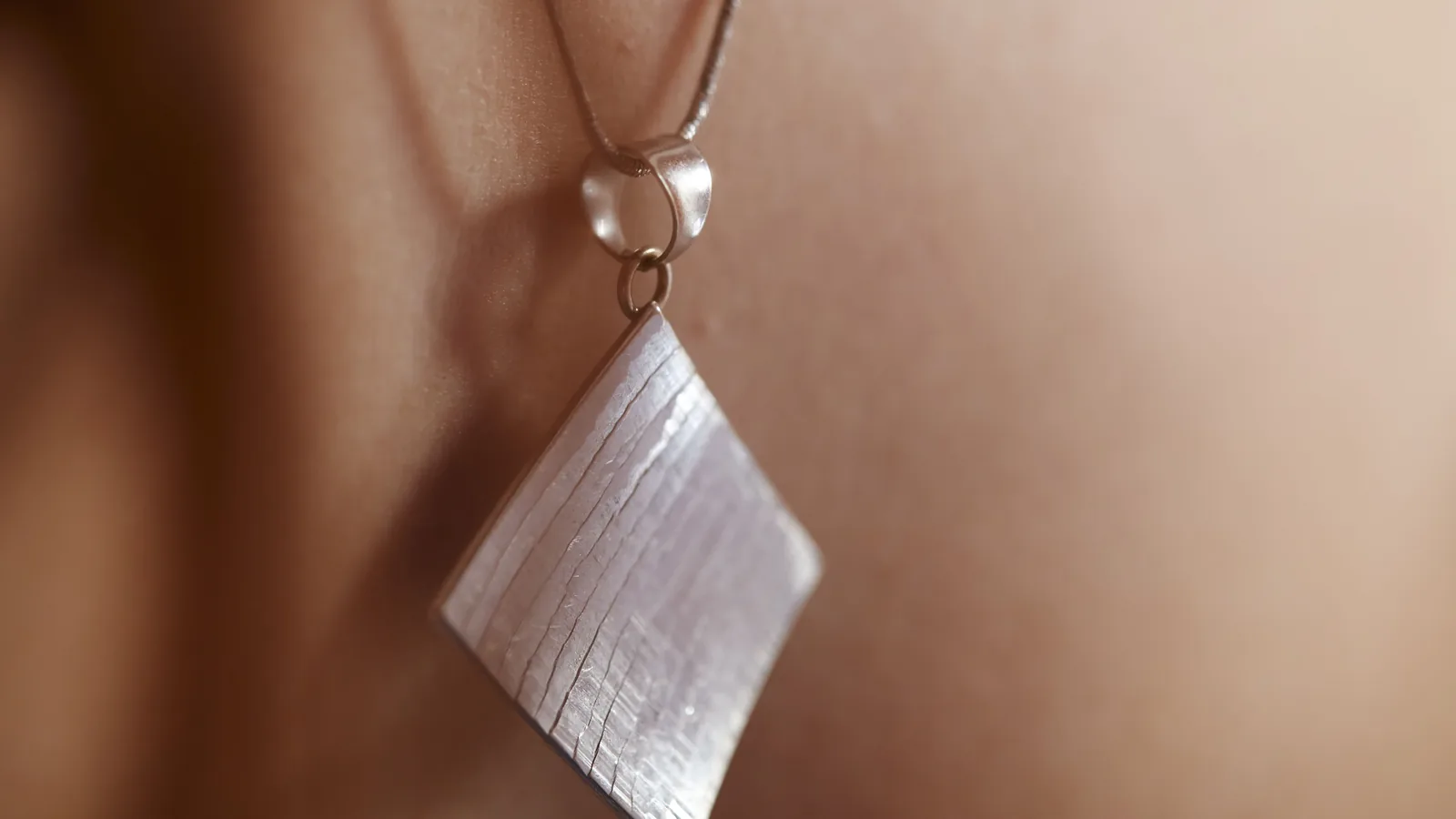
White gold wins when you want a cooler, more neutral look that lets a center stone read as bright as possible, and you accept that rhodium plating is a maintenance item. The two alloys are the same gold underneath, so the real decision is color preference plus how much upkeep you want to sign up for.
Our call is based on official gold-industry and gemological reference material from the World Gold Council and GIA, plus editorial analysis of how these two alloys behave in real jewelry wear.
The trade-off is simple. Yellow gold shows its own color for the life of the piece and can usually be re-polished instead of replated. White gold is a gold alloy with a white or near-white base color, and it is most often finished with rhodium plating for that bright, chrome-like look, which means periodic replating to keep it looking new. If you dislike maintenance appointments and want depth of color, yellow gold is easier to live with. If you want the coolest, most color-neutral backdrop for a diamond, white gold usually gets you there. No gemological lab certifies a winner here; the right pick depends on your skin tone, your stone, and your patience for upkeep.
| White Gold (50%) | Yellow Gold (50%) | |
|---|---|---|
| Best fit | cool-toned and neutral settings, especially near colorless diamonds | classic warm color and low-maintenance everyday jewelry |
| Strength | bright, low-color look that lets a center stone stand out | keeps its own color and tolerates repeated polishing |
| Trade-off | rhodium plating is often needed to maintain the whitest finish | can read dated to some buyers and shows scratches on high-polish surfaces |
Head-to-Head Scorecard
White gold leads
- Color neutrality
- Coolest, least yellow backdrop for colorless stones
- Contrast with diamonds
- Bright finish flatters D-to-H color grades
- Modern styling
- Reads contemporary in thin bands and minimal settings
Yellow gold leads
- Long-term upkeep
- No plating cycle required to keep its color
- Repairability
- Color is the alloy itself, so it survives refinishing
- Allergy predictability
- Alloy composition still matters, but no plating to wear through
Routine fit winner
Start with how you actually wear jewelry. White gold reads cool and bright, which is why it dominates engagement rings and modern minimal pieces. In a 14k white alloy, the base color is pale but not perfectly white, so it usually gets a rhodium finish to reach that crisp, silvery tone shown in stores. That finish is what makes white gold photograph so cleanly next to a diamond, and it is also what changes over time as the plating wears at the edges of a band or the prongs of a setting. Yellow gold, by contrast, looks like what it is. A 14k yellow alloy is roughly 58.3% gold by weight, and the remaining metal is what pushes the color toward its familiar warm tone. There is no coating to fade, so a ring that looks right on day one keeps that identity after years of wear. If your routine includes rings worn daily, hands often washed, gym sessions, and no interest in a replating appointment, yellow gold fits that life more naturally. White gold still works for daily wear, it just comes with a maintenance rhythm.
Formula and feature winner
Here is where the two alloys diverge in a way that matters for buying decisions. Both are karat-stamped gold alloys, and karat tells you the gold content, not the full recipe. A 14k white gold ring and a 14k yellow gold ring carry the same gold percentage by definition, though the other metals differ. White gold alloys typically combine gold with palladium, nickel, silver, or zinc to lighten the base color, and because that mix can still carry a faint yellow or gray cast, rhodium plating is often applied on top. GIA's guide to white metals notes that white gold is not a single natural metal but an alloy, and it is frequently plated for a whiter appearance. Yellow gold, in contrast, is usually alloyed with copper, silver, or zinc to reach its warm color, and it needs no surface coating to look like yellow gold. This is the core "formula" difference: white gold's look is partly a finish, while yellow gold's look is the metal itself. One more nuance from the World Gold Council: in the United States, gold fineness does not have to be stamped on the piece itself, so you cannot assume a universal hallmark requirement when you shop. Buy from sellers who state the karat clearly, and treat the stamp as helpful but not legally guaranteed on every item.
Ease of use winner
Ease of use is not about putting on a ring, it is about keeping it looking like day one. Yellow gold is the simpler object to own. Over years, high-polish yellow gold picks up fine scratches, but a jeweler can usually polish them out without changing the color, because the color runs through the metal. White gold's rhodium layer is a different story. When it thins, the underlying alloy can start to show through as a slightly warmer or duller tone, especially on high-contact areas like the bottom of a band, the tips of prongs, and the outer edges of a setting. Restoring that bright white look typically means a replating appointment, and the frequency depends on how often the piece is worn and how it is handled. That is not a flaw, it is a known characteristic of the finish. If you like the white look and are fine with booking occasional maintenance, white gold is easy enough. If you want jewelry you can put on and forget about for years, yellow gold asks less of you. This is the single biggest reason our overall pick lands on yellow gold.
Value winner
"Value" here means the cost of ownership over time, not the price tag today, and it is where the two alloys separate most clearly. Yellow gold jewelry usually costs less to maintain because there is no plating cycle to budget for. White gold can carry the same gold content, and in some cases a higher price, but its finish introduces a recurring cost that yellow gold does not have. This does not make white gold a worse buy, it makes it a different one. If you love the look enough to keep up with it, the upkeep is simply part of the price of the aesthetic. If you would rather put that money into a better center stone or a nicer setting, yellow gold may free up budget. We are deliberately avoiding exact prices here because they move with gold spot pricing, alloy, and labor, and no comparison article can quote a number that stays true for long. What holds steady is the structure: yellow gold's cost profile is flatter, while white gold's is front-loaded with a finish that will need attention. We also do not frame either metal as an investment. Jewelry value depends on resale demand, condition, and the stone, not on the color of the band, and we are not offering investment advice.
Buyer confidence winner
Confidence comes from knowing what you are getting and how it will age. White gold has an edge in predictability of appearance at purchase, because a freshly plated piece looks uniformly bright, and its cool tone makes color grading of a diamond easier to judge in the setting. Yellow gold has the edge in predictability over time, because what you see in the store is what you will see years later without intervention. On the testing question, keep your expectations realistic: karat alone does not guarantee hardness, scratch resistance, or hypoallergenic performance. A 14k white gold alloy made with nickel can bother some wearers, while a palladium-white alloy may suit them better, and a 14k yellow alloy with copper and silver may or may not cause a reaction depending on the individual. Construction matters too, a well-made hollow band dents more easily than a solid one regardless of color. The practical move in both cases is to ask the seller what the alloy actually contains and whether white gold is rhodium plated. GIA's white-metal guidance and the World Gold Council's hallmark explainer both support that approach: verify the metal, and treat the appearance claim as separate from the content claim. Buyers who ask those two questions tend to be happy with either choice, because they bought the metal they thought they bought.
Skin tone pairing winner
This one is personal, and taste should decide it rather than a rule. Yellow gold tends to harmonize with warmer undertones and reads as classic, especially in wider bands, vintage-inspired settings, and pieces with yellow or champagne stones. White gold tends to flatter cooler undertones and reads as clean and contemporary, and it pairs naturally with platinum, silver, and stainless pieces already in a jewelry box. Mixed-metal styling is now common enough that the old "match your undertone" rule is more of a starting point than a constraint. One practical note: yellow gold can make a slightly warm diamond look warmer still in the setting, while white gold can make the same stone look a touch cooler and whiter by contrast. If you are choosing between two stones of similar grade, the metal can shift which one looks better to your eye. Try both against your skin under daylight if you can, and if you cannot, look for stores that photograph the same setting in both metals under consistent lighting. That is the closest thing to a fair test without a try-on.
Repair and resizing winner
Sooner or later, most fine jewelry needs work: a resized band, a retipped prong, a re-polished surface. Yellow gold handles this gracefully because the color is consistent through the metal. A jeweler can size a band, rebuild a prong, or polish a scratch without worrying about matching a plated surface to an exposed one. White gold can be repaired just as well, but if the work exposes the base alloy, the piece may need replating afterward to restore an even finish. That is a normal part of white gold ownership, not a defect, and any competent jeweler will tell you whether a given job includes a rhodium refresh. The cost and frequency of repairs vary by design, wear pattern, and how much metal is removed during sizing, so treat any specific number you hear as an estimate rather than a rule. For buyers who know they will resize or add engraving later, yellow gold tends to involve one fewer step. For buyers who love the white look and accept a plating step as part of the process, white gold is entirely workable. The key is to plan for it rather than be surprised by it.
Choose White Gold If
- You want the coolest, most color-neutral setting for a diamond or white sapphire.
- Your skin tone and wardrobe lean cool, or you already wear platinum, silver, and steel.
- You prefer a clean, modern look in thin bands and minimal settings.
- You are comfortable budgeting for occasional rhodium replating to keep the bright finish.
- You want a uniform, freshly finished surface that makes color grading easier to judge.
Choose Yellow Gold If
- You want jewelry that keeps its color without a plating cycle.
- You prefer warm, classic tones and vintage-inspired designs.
- You wear rings daily and would rather not think about maintenance appointments.
- You want a flatter cost of ownership and easier long-term refinishing.
- You plan to resize or repair the piece and want fewer steps in the process.
Final Verdict: White Gold vs Yellow Gold
Yellow gold takes the overall win for 2026 because it asks less of you over time. Its color is the alloy itself, so polishing and repairs restore the look instead of changing it, and there is no plating cycle to schedule. That makes it the better default for everyday wear, for buyers who dislike maintenance, and for anyone who wants a piece that ages predictably. White gold is not the runner-up by much, and for many buyers it is the right call. Its cool, low-color tone is hard to beat next to a diamond, it flatters a wide range of skin tones, and it fits modern styling better than any other gold alloy. The honest framing is that white gold trades a maintenance appointment for a look you cannot quite get from yellow gold. If you love that look, the upkeep is worth it. If you would rather spend your energy elsewhere, yellow gold is the lower-drama choice. Either way, confirm the karat and, for white gold, ask whether the piece is rhodium plated, because those two facts tell you more about what you are buying than the color alone.
White Gold vs Yellow Gold: Which Should You Choose? FAQ
Is white gold real gold?
Yes. White gold is a gold alloy, meaning it contains gold mixed with other metals such as palladium, nickel, silver, or zinc. A 14k white gold piece is about 58.3% gold by weight, the same gold content as 14k yellow gold. The difference is the alloy mix and, often, a rhodium plating on top to make the surface look whiter.
Does white gold need to be replated?
Often, yes, but not universally. Many white gold pieces are rhodium plated for a bright white finish, and that plating wears over time on high-contact areas. When it thins, the underlying alloy can show through, and a replating appointment restores the look. Some white alloys are designed to look acceptable without plating, so ask the seller whether the specific piece is plated and how they recommend maintaining it.
Which is more durable, white gold or yellow gold?
Karat alone does not determine durability, and neither color is automatically tougher. Durability depends on the alloy composition, the karat, and the construction of the piece, not the color. A solid 14k band in either color will generally hold up better than a hollow or very thin design. Ask about the alloy and the build rather than assuming one color is stronger.
Is white gold hypoallergenic?
Not necessarily. Karat does not guarantee hypoallergenic performance. Some white gold alloys contain nickel, which can bother sensitive wearers, while palladium-white alloys may suit them better. Yellow gold is not automatically safe either, since its copper and silver content can cause reactions in some people. If you have known metal sensitivities, ask what the alloy contains before buying.
Does gold jewelry in the US have to be stamped with its karat?
No universal stamping requirement applies to the piece itself in the United States. According to the World Gold Council, gold fineness does not have to be stamped on the item, so you should not assume every piece carries a hallmark. Buy from sellers who state the karat clearly, and treat any stamp as a helpful signal rather than a legal guarantee.
Which metal makes a diamond look whiter?
White gold usually makes a diamond look slightly cooler and whiter by contrast, because the setting itself has little yellow color. Yellow gold can make a warm diamond look warmer still. That said, the effect is subtle and depends on the stone. If you are comparing two similar stones, viewing them in both metals under daylight is the most reliable way to decide.
Can white gold and yellow gold be worn together?
Yes. Mixed-metal styling is common and often looks intentional when the pieces share a design language, such as similar band widths or a repeated motif. If you want a matched set, buying both pieces from the same maker in the same finish will give you the closest color match, since alloy recipes and plating vary between manufacturers.
Related articles
10k Gold vs 14k Gold: Which Should You Choose?
A practical head-to-head comparison of 10k Gold and 14k Gold, covering quick verdict, key differences, category winners, buyer fit, and FAQ.
18k vs 14k Gold: Which Should You Choose?
A practical head-to-head comparison of 18k and 14k Gold, covering quick verdict, key differences, category winners, buyer fit, and FAQ.

Blazer vs Suit Jacket: Which Should You Choose?
A practical head-to-head comparison of Blazer and Suit Jacket, covering quick verdict, key differences, category winners, buyer fit, and FAQ.