
Yukata vs Kimono: Which Should You Choose?
A practical head-to-head comparison of Yukata and Kimono, covering quick verdict, key differences, category winners, buyer fit, and FAQ.
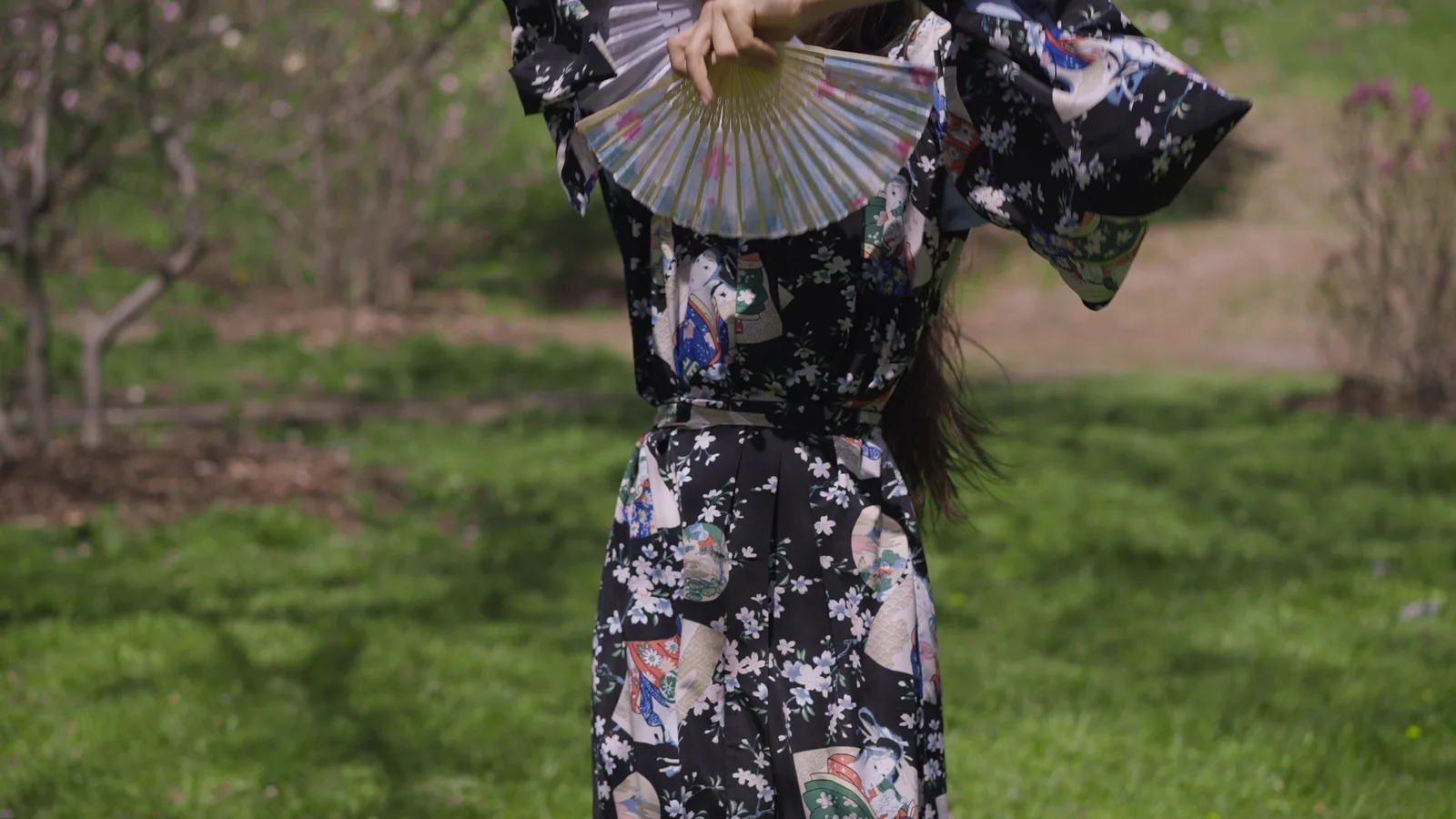
Choose a kimono instead if you care about formality, heirloom-quality silk, and the ceremonial details that make the garment a lifelong investment rather than a seasonal outfit.
This comparison draws on official product specifications from Japanese textile makers and retailers, published care and sizing guidance, recurring themes in public buyer feedback, and our editorial category analysis. We did not run lab tests, so nothing here claims hands-on measurement.
The deciding trade-off is simple: a yukata is a casual, unlined cotton robe built for warm weather and easy self-dressing, while a kimono is a formal, lined, often silk garment that rewards correct tailoring, proper underlayers, and careful storage. The yukata wins on accessibility. The kimono wins on longevity and occasion range.
| Yukata (84%) | Kimono (81%) | |
|---|---|---|
| Best fit | summer festivals, casual photoshoots, first-time buyers | weddings, ceremonies, collectors, long-term wardrobe pieces |
| Strength | unlined cotton, self-tie friendly, machine-washable options | formal range, lined construction, silk and fine woven fabrics |
| Trade-off | too casual for formal events and thinner in cool weather | higher cost, real tailoring needs, dry-clean and storage care |
Head-to-Head Scorecard
Yukata leads
- Ease of self-dressing
- Fewer layers and no lining to manage
- Warm-weather comfort
- Breathable cotton with no heavy lining
- Entry price and care
- Lower cost and easier washing options
- Beginner tolerance
- Forgiving fit and simpler accessory list
Kimono leads
- Formality range
- Casual through ceremonial occasions
- Fabric and craft
- Silk, lined bodies, woven artistry
- Longevity
- Built for decades with proper storage
- Occasion ceiling
- Suitable for weddings and formal events
Routine fit and sizing tolerance
A yukata is measured much like a robe. The key numbers are the wingspan along the sleeve edge, the body length from shoulder to hem, and the collar-to-hem front drop. Because a yukata is tied with an obi and overlaps at the front, a small height or hip difference can be absorbed by where you place the waist tie and how much fabric you fold. Retailers typically publish a height range rather than exact bust and waist measurements. A yukata that is slightly short can be worn with the hem raised and secured; one that is slightly long can be taken up at the waist tie.
A kimono is more demanding. The body length must sit close to your actual height, because the hem is meant to clear the floor by a precise amount and the collar line is cut to sit at a specific point on the neck. Ideal kimono length runs roughly from the top of your shoulder to just above the ankle, and any excess is usually managed at the waist with a fold, not with a hem. Different kimono types also assume different heights. Taller buyers often need a longer cut or a dedicated tall size, and petite buyers can be swamped by a standard-length piece.
Construction and fabric weight
A yukata is unlined, which means there is no inner layer of fabric against your body and no interlining to trap heat. The body is typically a single layer of cotton or cotton-blend, and the sleeves are attached in a way that leaves them airy. That construction is exactly why a yukata works in August heat, and it is also why it feels thin in a breeze or an air-conditioned room. Many modern yukata are printed with reactive dyes that hold color well, though cheaper ones can feel stiff at first and soften after washing.
A kimono is usually lined, at least in the body and often in the sleeves, and the lining is part of what gives the garment its structure and drape. Silk remains the classic fiber because it hangs cleanly, takes dye deeply, and holds a crease line for the collar. Wool and synthetic kimono exist, but the formal tiers are silk. That layered construction is warmer, more substantial, and more expensive to clean. It is also why a kimono can look crisp decades after a yukata of the same age has faded, provided both are stored correctly.
Ease of self-dressing
Dressing yourself in a yukata is genuinely achievable with practice. You put on the underlayer or underslip, wrap the left side over the right, tie the obi, and adjust the collar. The main pitfalls are wrapping the wrong side over the front, tying the obi too low, and leaving the hem uneven. With a few video references and one or two practice runs, most people can do it in ten to fifteen minutes. The shorter sleeve span also means less fabric to control while you tie.
A kimono adds layers and precision. You are working with a collared undergarment, an inner sash to keep the body line smooth, and sometimes a second towel-like pad to even out the silhouette. The collar itself has to be shaped with an inner collar piece so it sits correctly at the neck, and the obi needs to be tied at the right height with the right tension. Some formal obi knots are complex enough that professionals are hired for them. If you want to wear a kimono regularly, budgeting for a dressing lesson or two is realistic.
Formality and occasion range
A yukata is a casual garment. It is appropriate for summer festivals, fireworks, ryokan stays, and relaxed photo sessions. With a crisp obi and the right accessories it can look elegant, but it is still read as informal. Wearing a yukata to a wedding or a formal ceremony would be a mismatch, and in Japan it would stand out in the wrong way. That narrow band is the trade-off for its comfort and low price.
A kimono spans the entire formality ladder. A casual cotton kimono can be worn around the house or to a relaxed event. A silk kimono with the right obi, underlayers, and accessories can go to a formal tea gathering or a wedding, depending on the type. This range is what makes a kimono a wardrobe piece rather than a costume. The catch is that the accessories change with the formality level, so a single kimono does not cover everything by itself.
Cost and total ownership
A yukata has a low entry point. Mass-market cotton yukata sit in an accessible range, and the accessory list is short: an obi, a simple tie or clip, and optional geta and a small bag. Care is easy, and many cotton yukata can be hand-washed or machine-washed on a gentle cycle and hung to dry. The result is that you can own a yukata set for a fraction of a kimono wardrobe, which is exactly why it is the common first purchase.
A kimono costs more at every level. The garment itself can range widely, and then you add the undergarments, collar, obi, obi-age, obi-jime, and proper footwear. Care is dry-clean or professional cleaning, and storage usually means a muslin or paper wrap, a padded hanger or a folded box, and protection from light and moisture. In exchange, a well-made silk kimono can be worn for decades and, in some cases, resold or passed down. The total outlay is higher, but the per-wear cost can fall over a long horizon.
Care, storage, and longevity
Yukata care is forgiving. Cotton handles moisture better than silk, and a spot clean or gentle wash is usually enough. The main risks are fading from direct sun, dye transfer if you wash different colors together, and permanent creases if you store it folded damp. Fold it dry, keep it out of bright light, and it holds up for years of seasonal wear.
Kimono care is a discipline. Silk is sensitive to moisture, sweat, oils, and friction, and the lining is often the first place to show age. After wearing, a kimono is typically aired before storage, and any cleaning is done by a specialist. The upside is that a properly stored kimono can outlast several yukata. The downside is that neglect is expensive. A damp or dirty kimono that sits folded for months can develop stains that are difficult to reverse.
Buyer confidence and sourcing clarity
For yukata, confidence usually comes from a clear height range, a stated fabric content, and photos that show the actual print and color rather than a stock render. Because the price is lower, buyers are more willing to take a chance, and the feedback patterns online are generally about fit and dye quality rather than structural failure. The confusion points are washed-out prints, stiff fabric, and obi sets sold separately when buyers assumed they were included.
For kimono, confidence depends more on provenance and detail. Buyers want to know the fiber, the lining condition for secondhand pieces, whether the motif placement is centered or asymmetrical by design, and whether the garment has been altered. Vintage and resale kimono can be excellent value, but they demand more reading before purchase. The trade-off is that a well-documented kimono from a knowledgeable seller gives you a piece you can wear and keep for decades, which is a different kind of confidence than a low-risk yukata purchase.
Choose Yukata If
- You want an authentic Japanese garment for warm-weather events, festivals, or photoshoots.
- You are dressing yourself and want a process you can learn in one or two practice sessions.
- You want a lower entry price and a short accessory list, with an obi and tie being the main extras.
- You prefer a garment you can spot clean or gently wash at home rather than dry-clean.
- You are buying for a teenager or a growing body and need a fit that can be adjusted at the waist.
- You want a seasonal piece that packs flat for travel to a summer festival or a ryokan stay.
Choose Kimono If
- You need a garment that can work for a formal event such as a wedding or a tea ceremony.
- You care about silk, lining, and woven detail as part of the purchase, not just the print.
- You are willing to invest in underlayers, a proper obi, and possibly a dressing lesson.
- You want a piece you intend to keep and wear for many years, with professional care and storage.
- You are drawn to vintage and resale and are comfortable reading fiber, lining, and alteration details.
- You want a garment with real formality range rather than a single casual use case.
Final Verdict: Yukata vs Kimono
The yukata is the better first purchase for most US buyers in 2026 because it delivers the core experience of Japanese dressing without the tailoring, layering, and cleaning demands of a kimono. It is easier to size, easier to tie, easier to wash, and far cheaper to assemble as a complete outfit. For summer festivals, casual photoshoots, and travel, it is the practical choice.
The kimono wins when the goal is formality, craft, and longevity. If you need a garment for a wedding, a ceremony, or a collection you plan to keep for decades, the kimono is worth the extra cost and the extra learning. The honest summary is that these are not competitors so much as different tiers: the yukata is the accessible entry point, and the kimono is the long-term commitment. Buy the yukata to start. Buy the kimono when you know you want to stay.
Yukata vs Kimono: Which Should You Choose? FAQ
Is a yukata just a casual kimono?
In broad terms, yes. A yukata is a casual, unlined, usually cotton garment worn in warm weather, while a kimono is the broader category that includes lined and formal styles. The construction and formality are the real differences, not just the name.
Can I wear a yukata to a wedding?
No. A yukata is read as casual and is not appropriate for a formal wedding. For that setting you would need a formal kimono with the correct obi, underlayers, and accessories.
Which is easier to put on by yourself?
The yukata. It has fewer layers, no inner sash, and a simpler collar setup, so most people can learn it in a couple of practice runs. A kimono usually benefits from a lesson because the collar and obi need more precision.
Do I need a special undergarment for either one?
For a yukata, a simple underslip or light underlayer is usually enough. For a kimono, you generally need a proper undergarment plus an inner sash and sometimes padding to smooth the body line, depending on the formality level.
Is silk always required for a kimono?
No. Kimono are made in cotton, wool, and synthetic fibers as well, especially for casual wear. Silk remains the classic choice for formal pieces because of its drape, dye absorption, and how well it holds a press.
Can a yukata be machine washed?
Many cotton yukata can be hand-washed or washed on a gentle cycle and hung to dry, but you should follow the care label for the specific piece. Dark or heavily printed yukata are best washed separately to limit dye transfer.
Which one lasts longer?
A properly stored silk kimono generally lasts longer than a printed cotton yukata. The yukata is easier to replace, but the kimono is built to be kept, provided it is aired, cleaned professionally, and stored away from light and moisture.
Related articles
10k Gold vs 14k Gold: Which Should You Choose?
A practical head-to-head comparison of 10k Gold and 14k Gold, covering quick verdict, key differences, category winners, buyer fit, and FAQ.
18k vs 14k Gold: Which Should You Choose?
A practical head-to-head comparison of 18k and 14k Gold, covering quick verdict, key differences, category winners, buyer fit, and FAQ.
Blazer vs Suit Jacket: Which Should You Choose?
A practical head-to-head comparison of Blazer and Suit Jacket, covering quick verdict, key differences, category winners, buyer fit, and FAQ.